
𝗙𝗶𝗿𝘀𝘁 𝗣𝗼𝗱𝗰𝗮𝘀𝘁 𝗕𝗼𝗼𝗸𝗶𝗻𝗴 𝗗𝗲𝗹𝗵𝗶


About the center
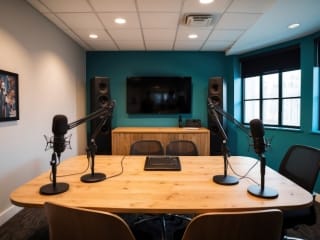
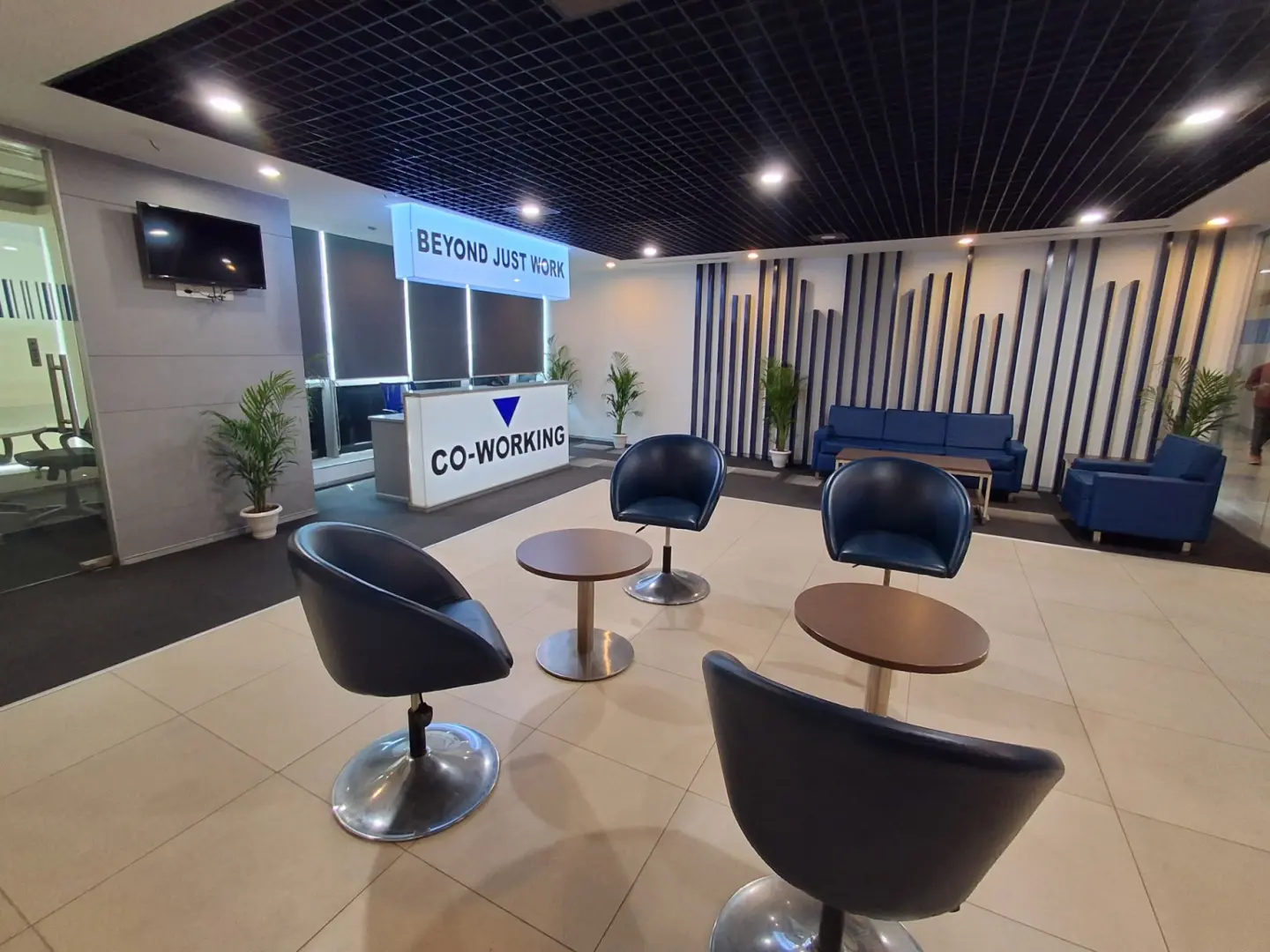
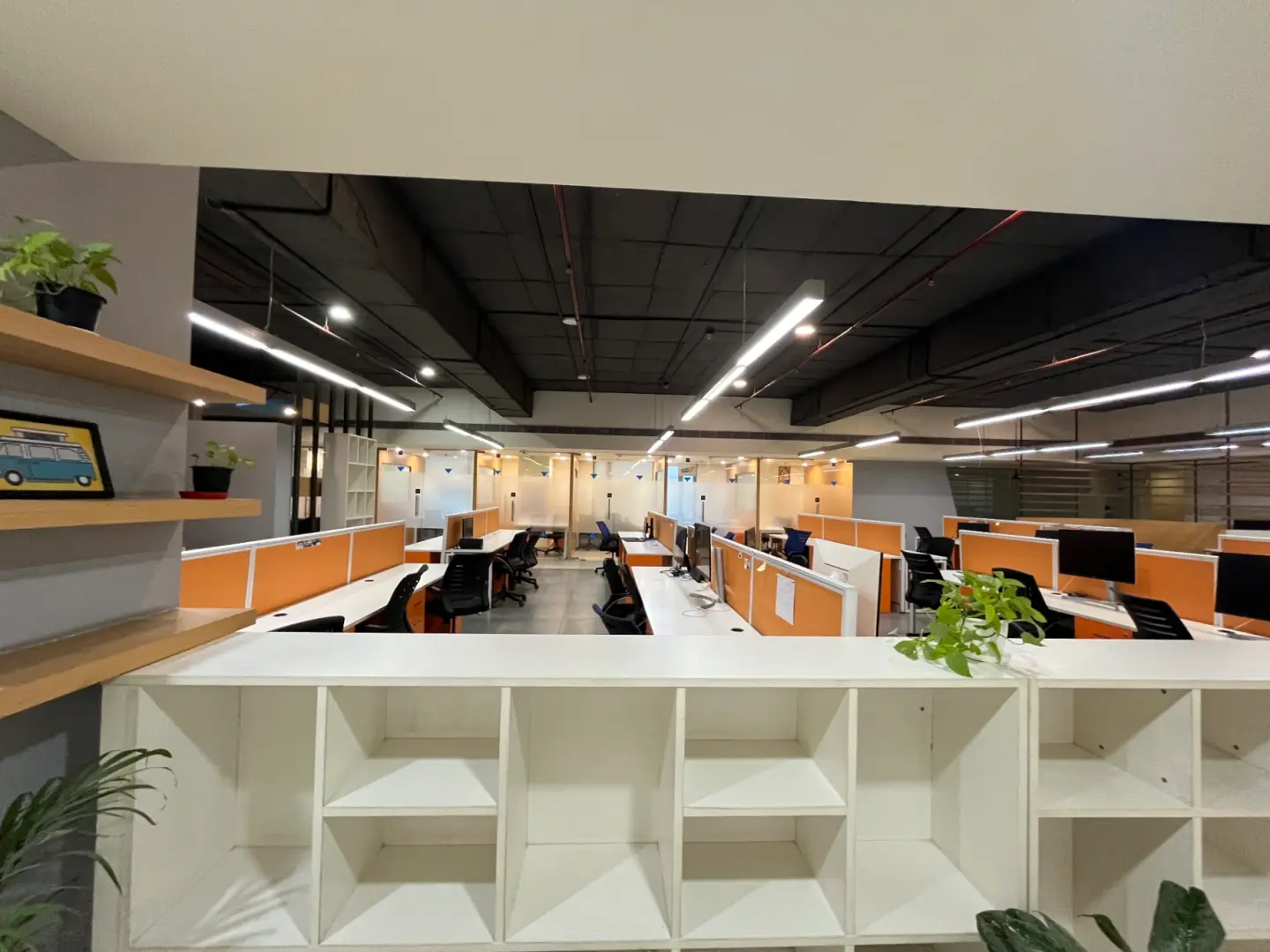
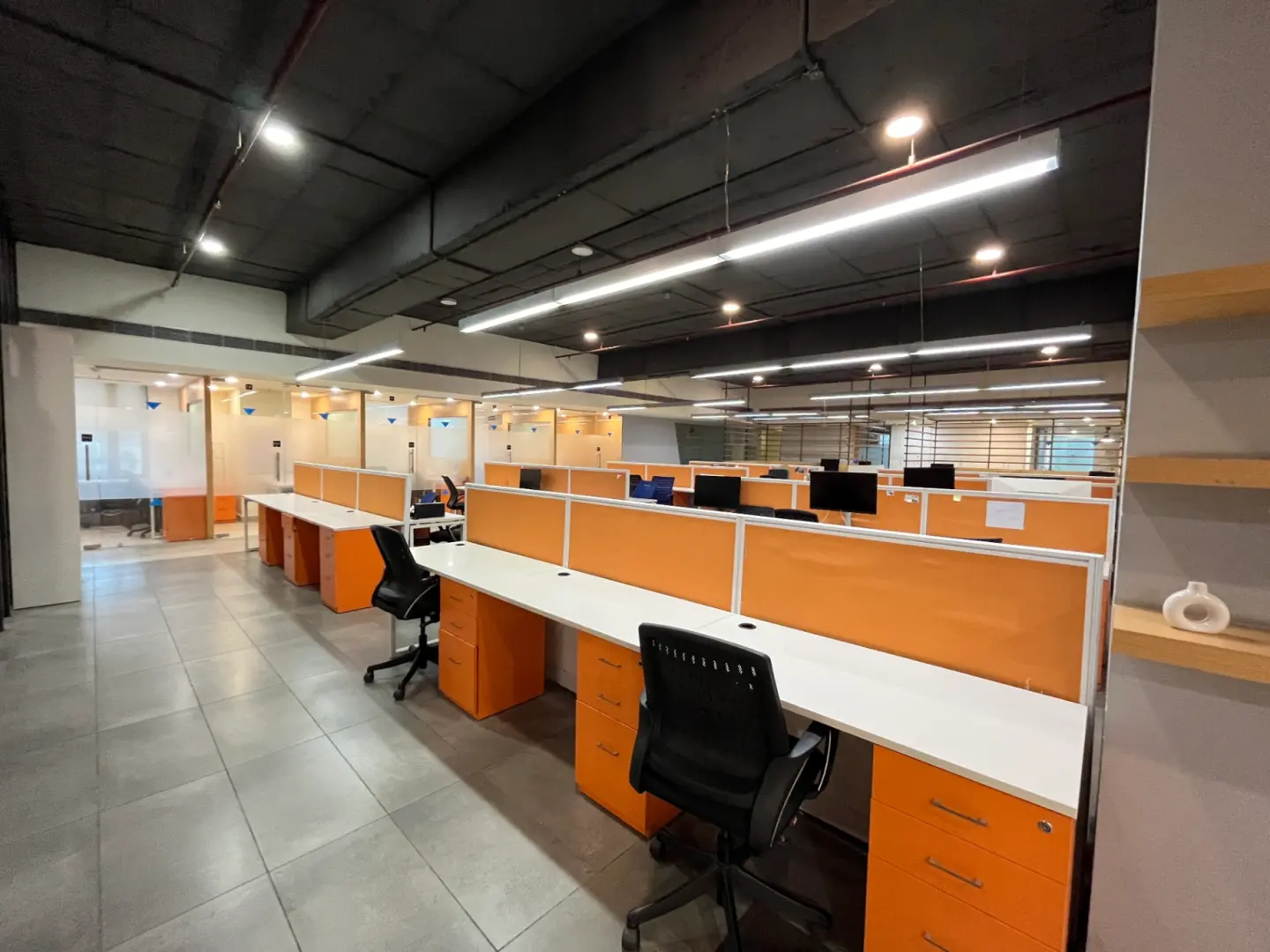
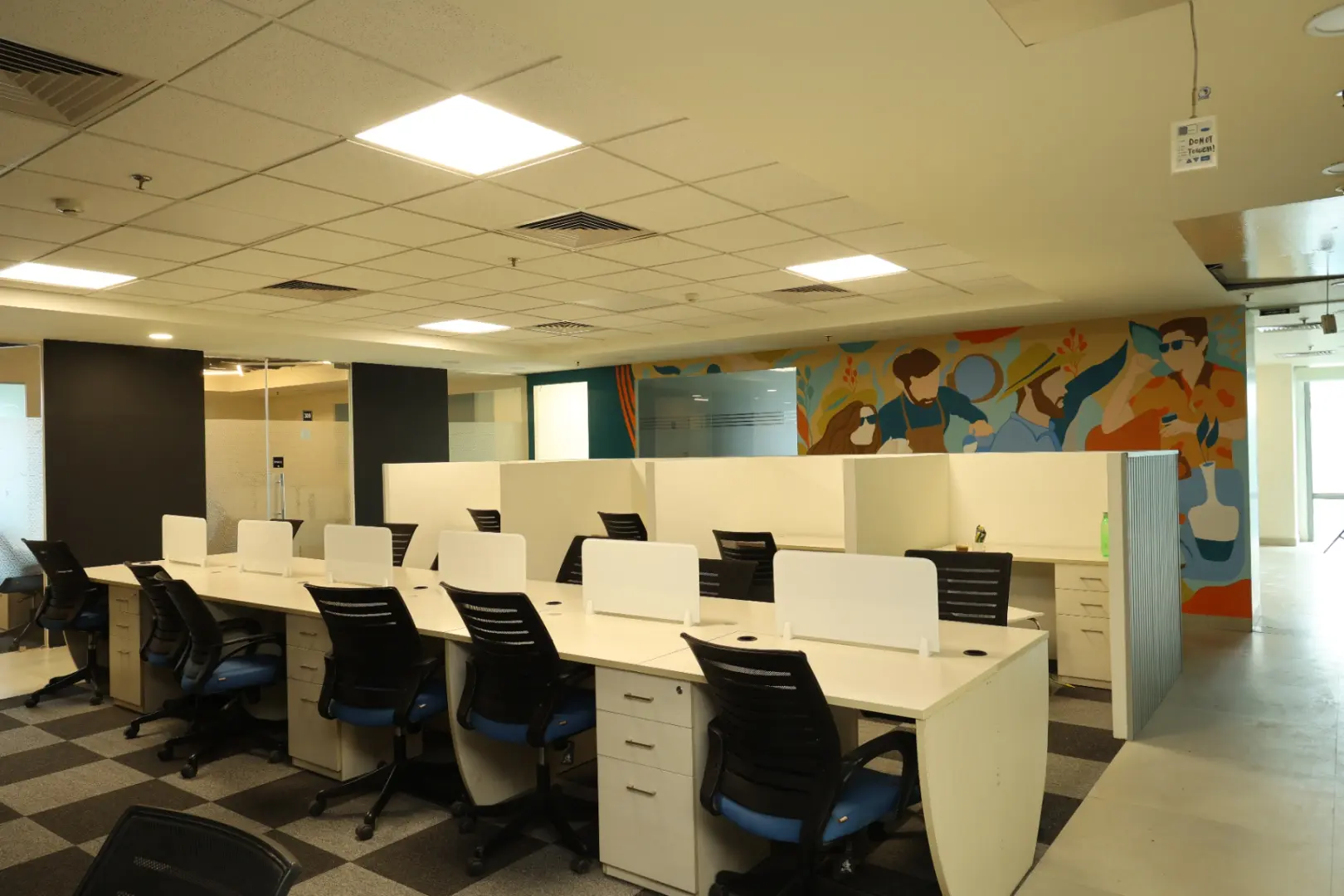
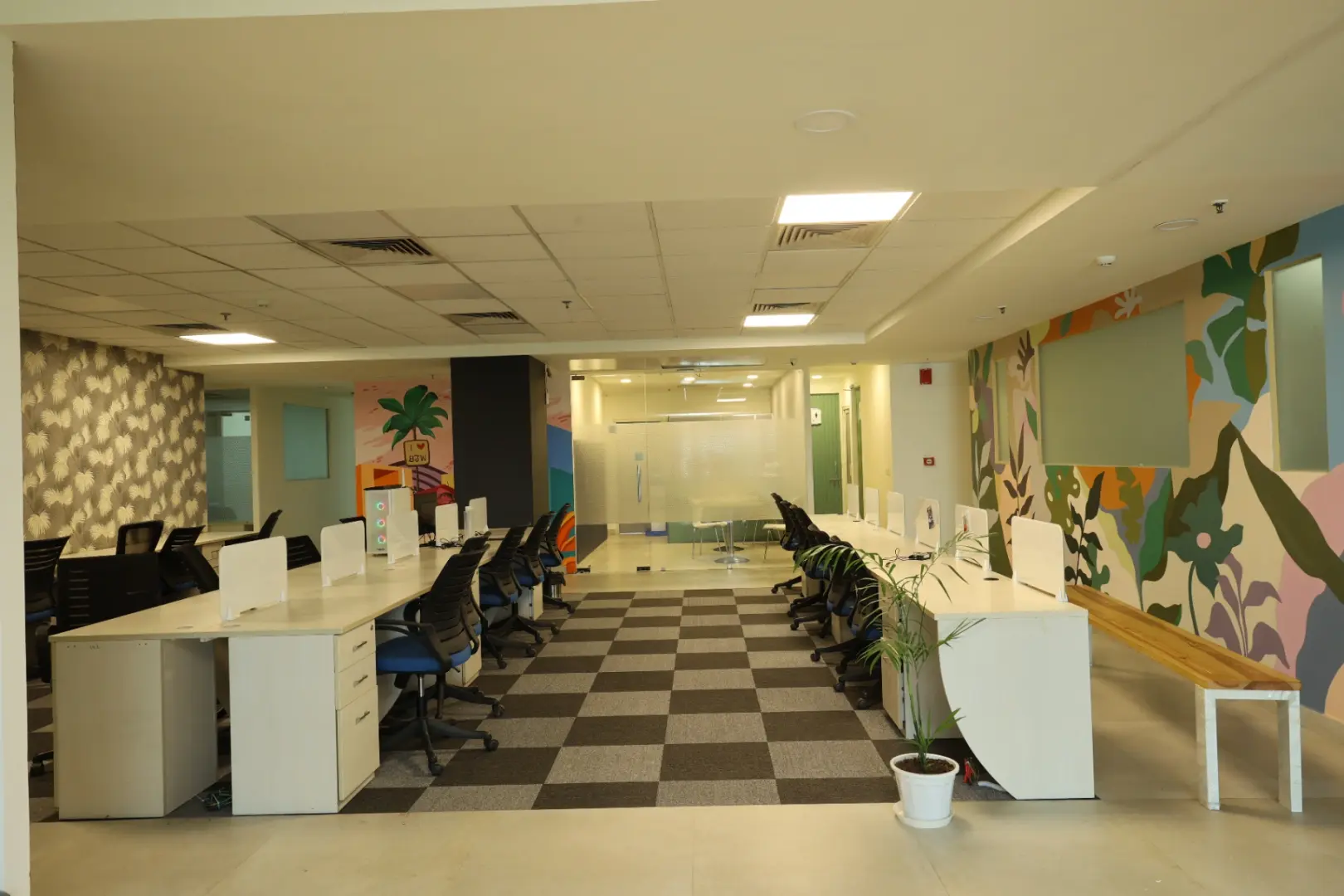
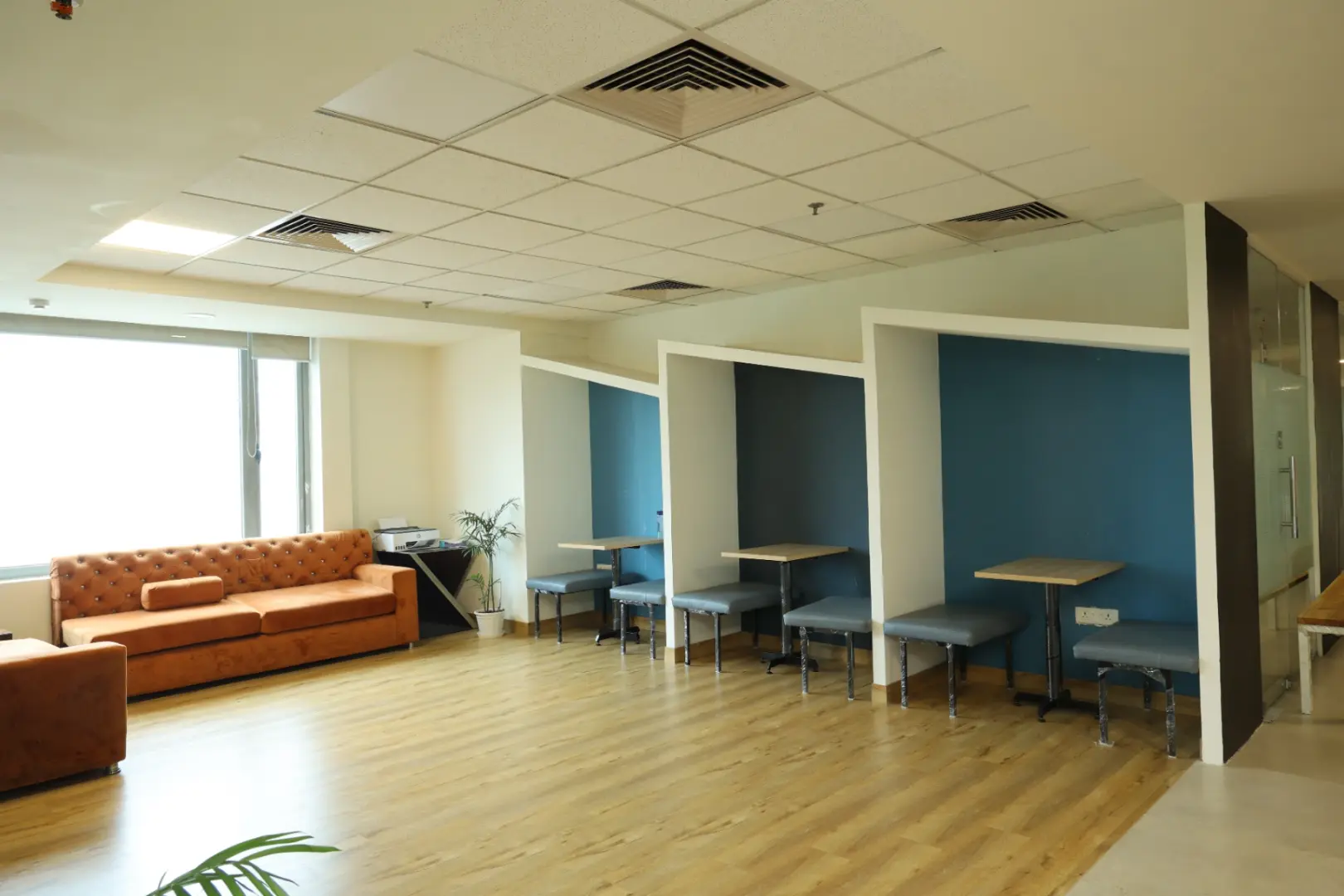
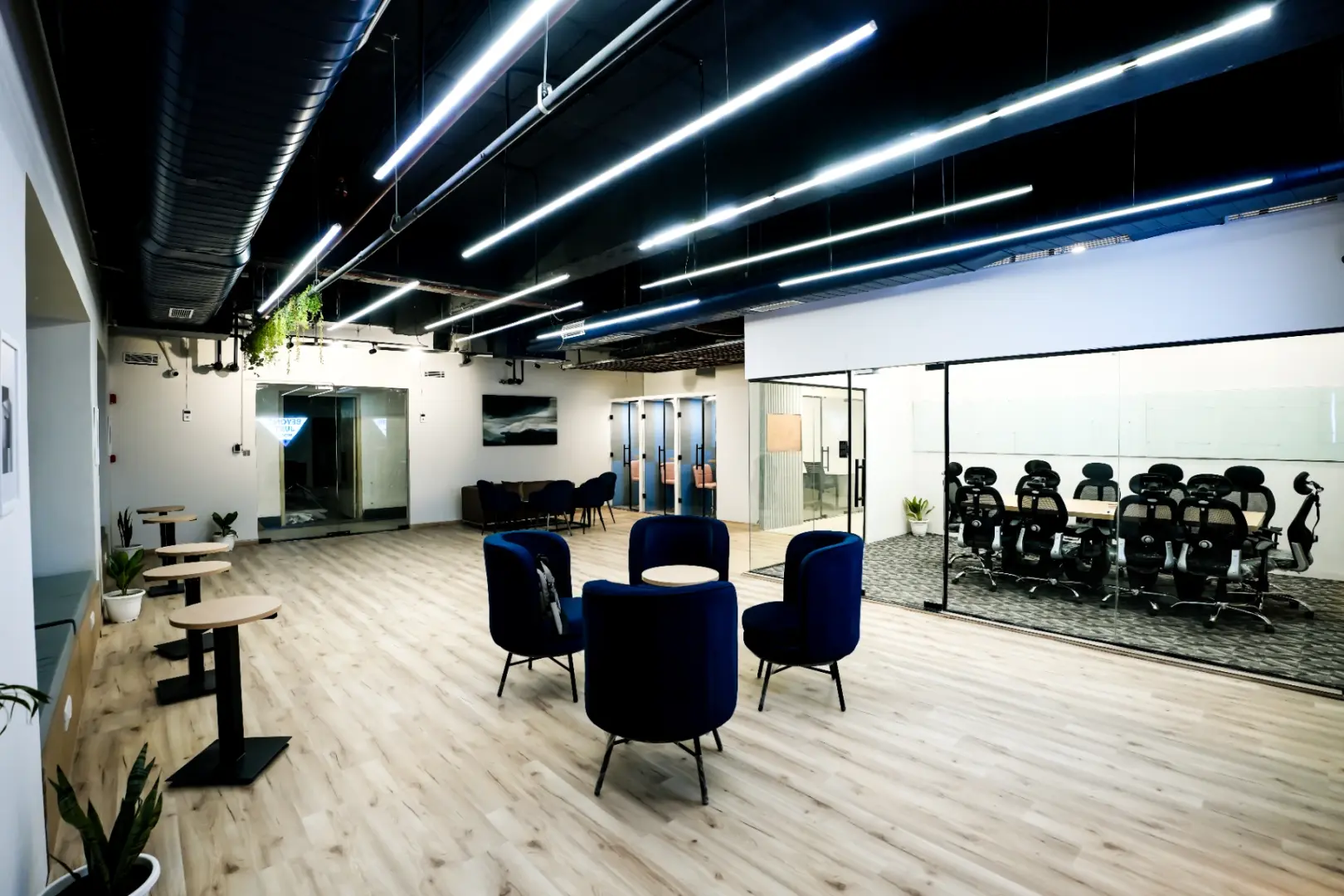
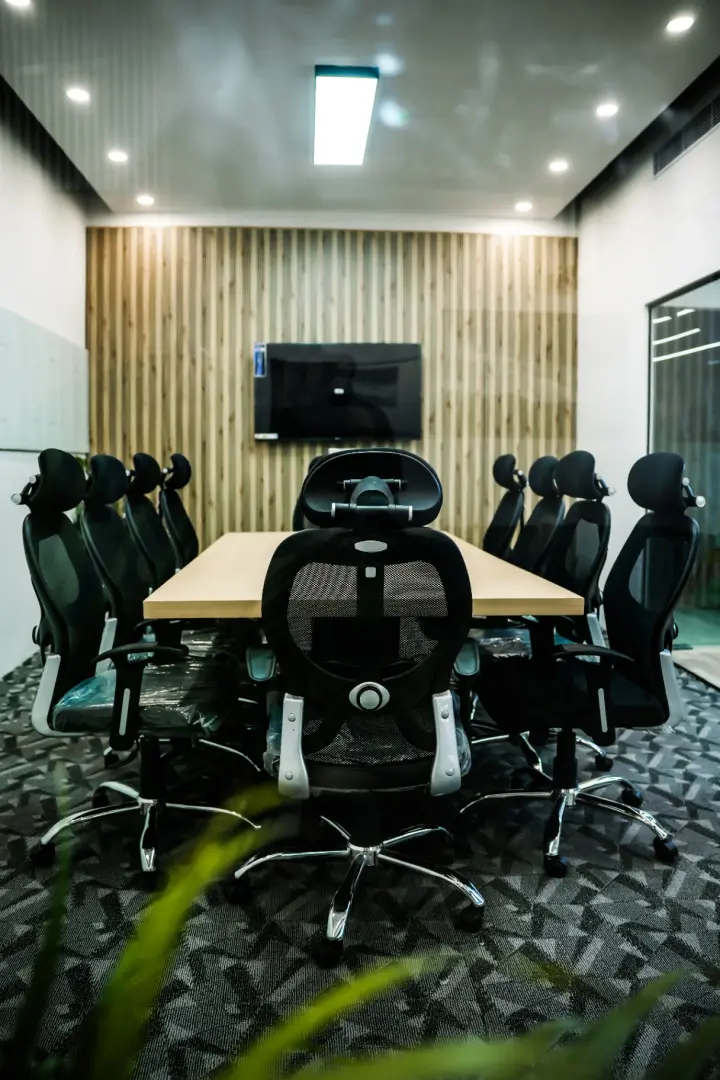
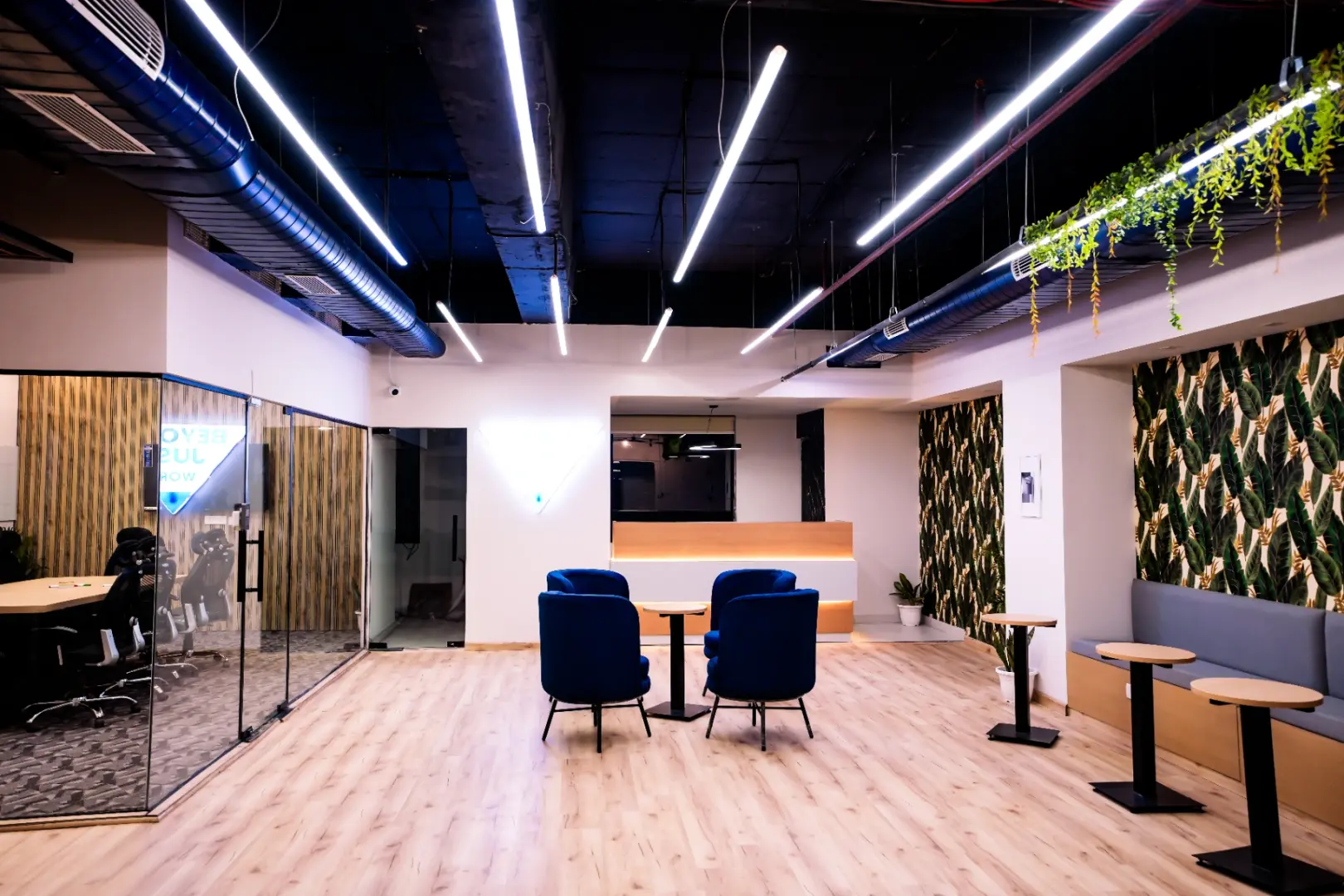
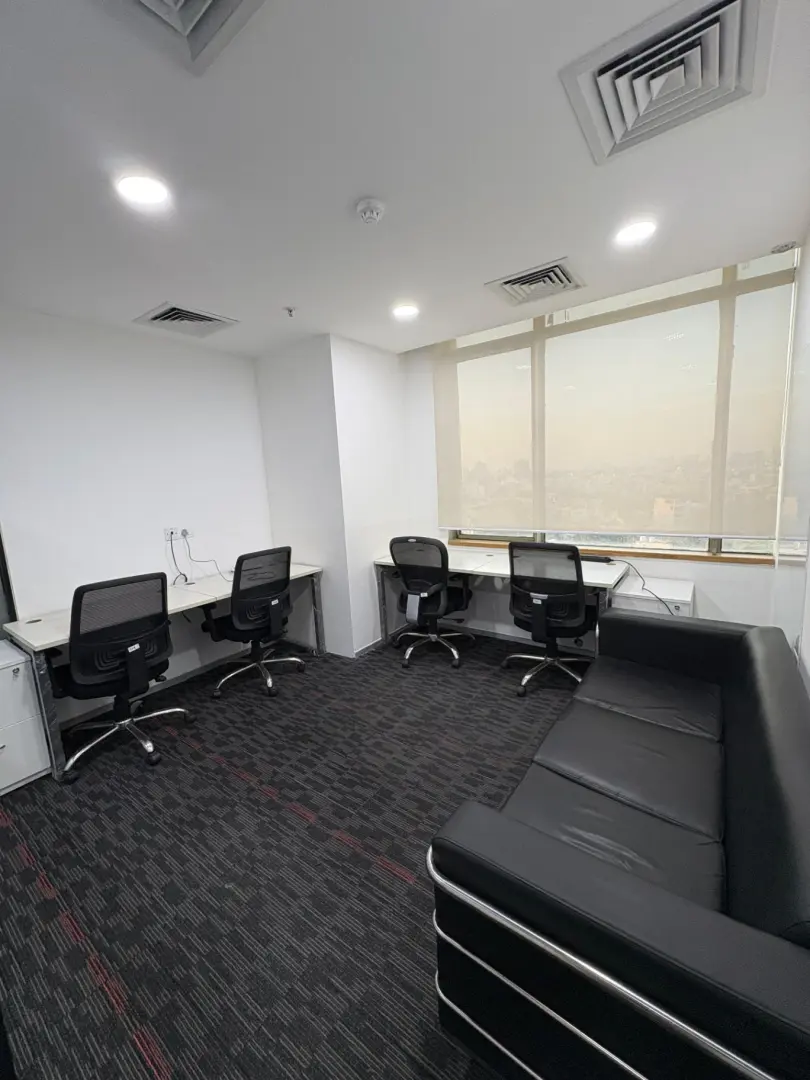
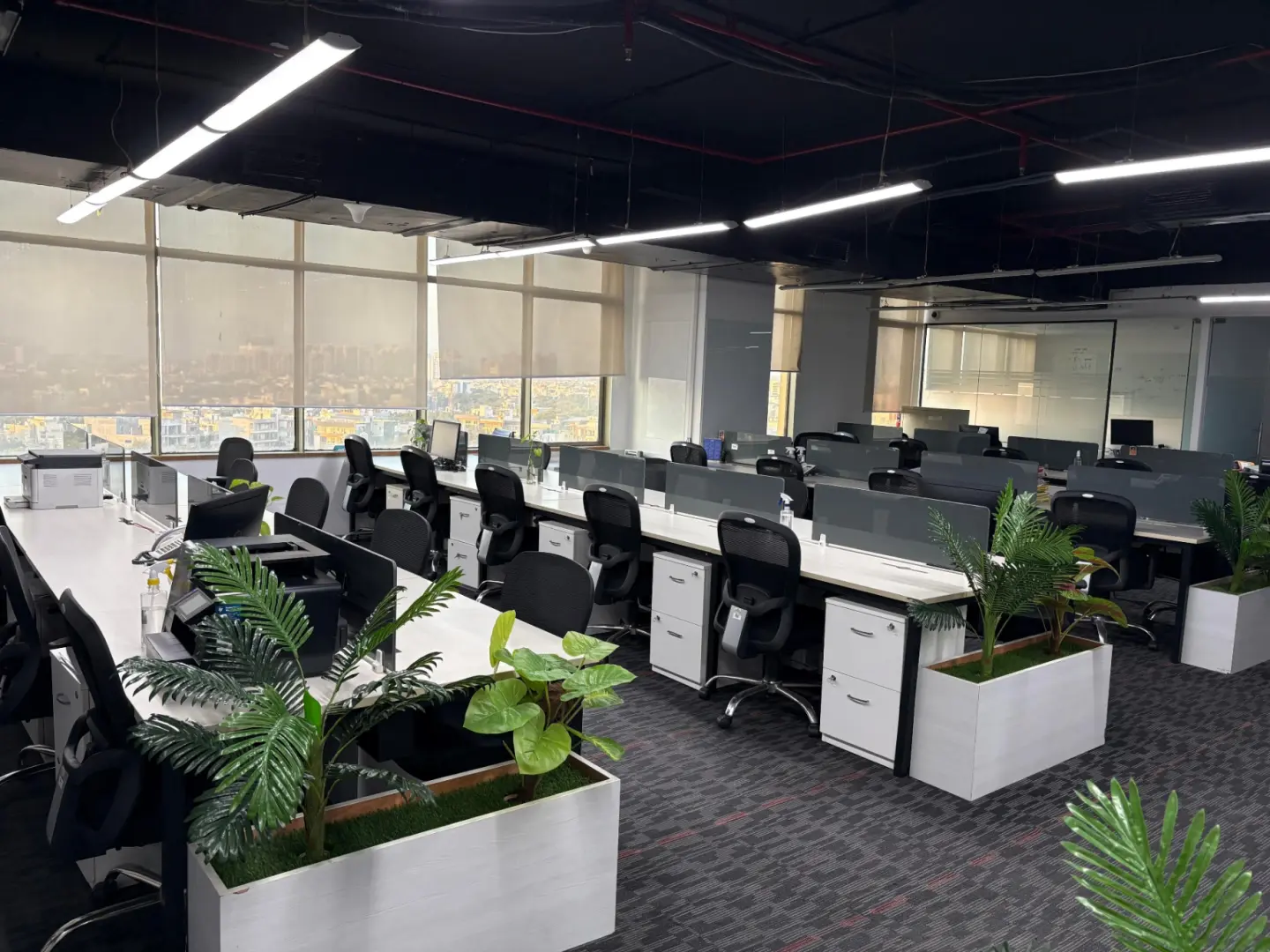
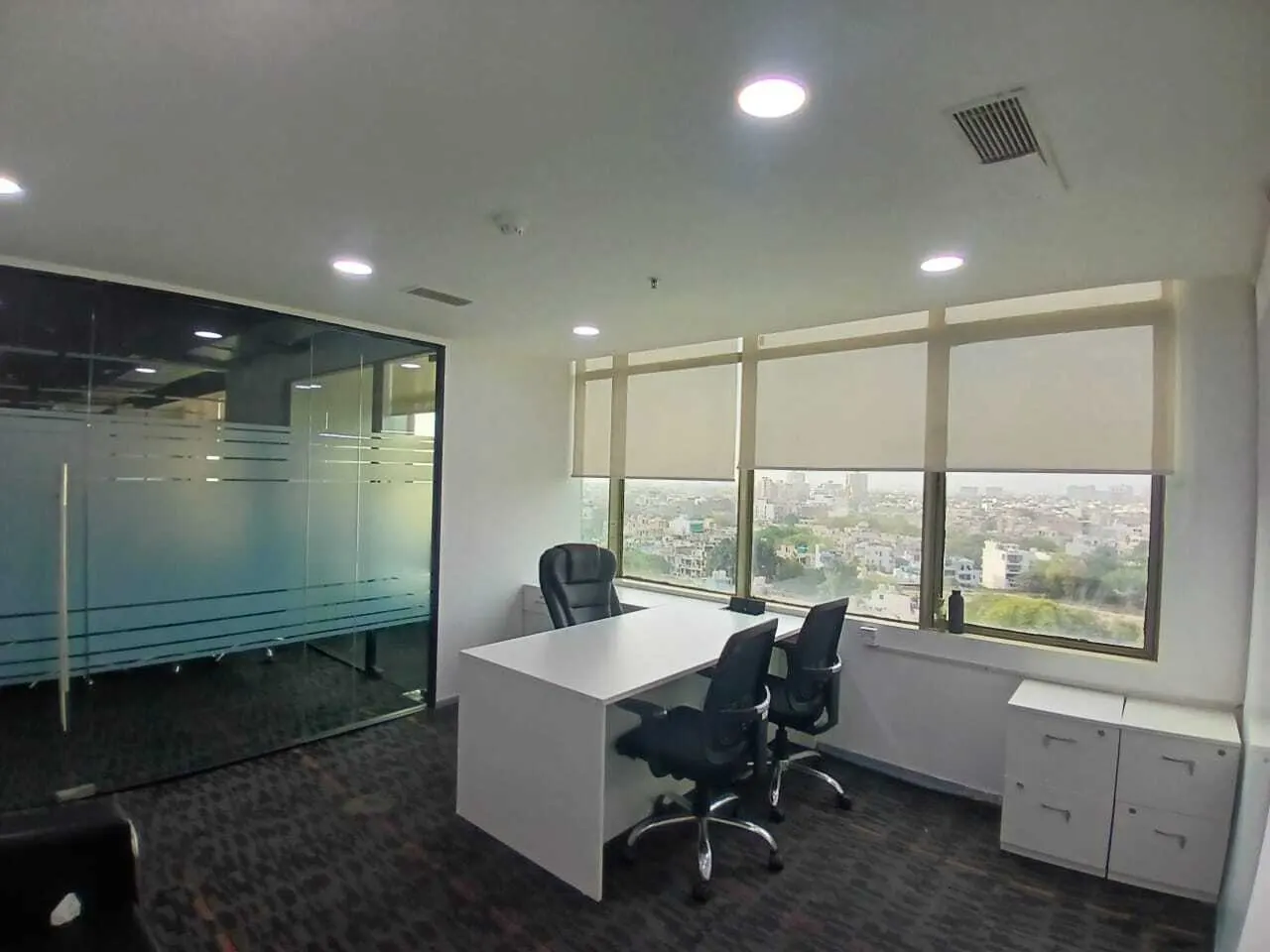
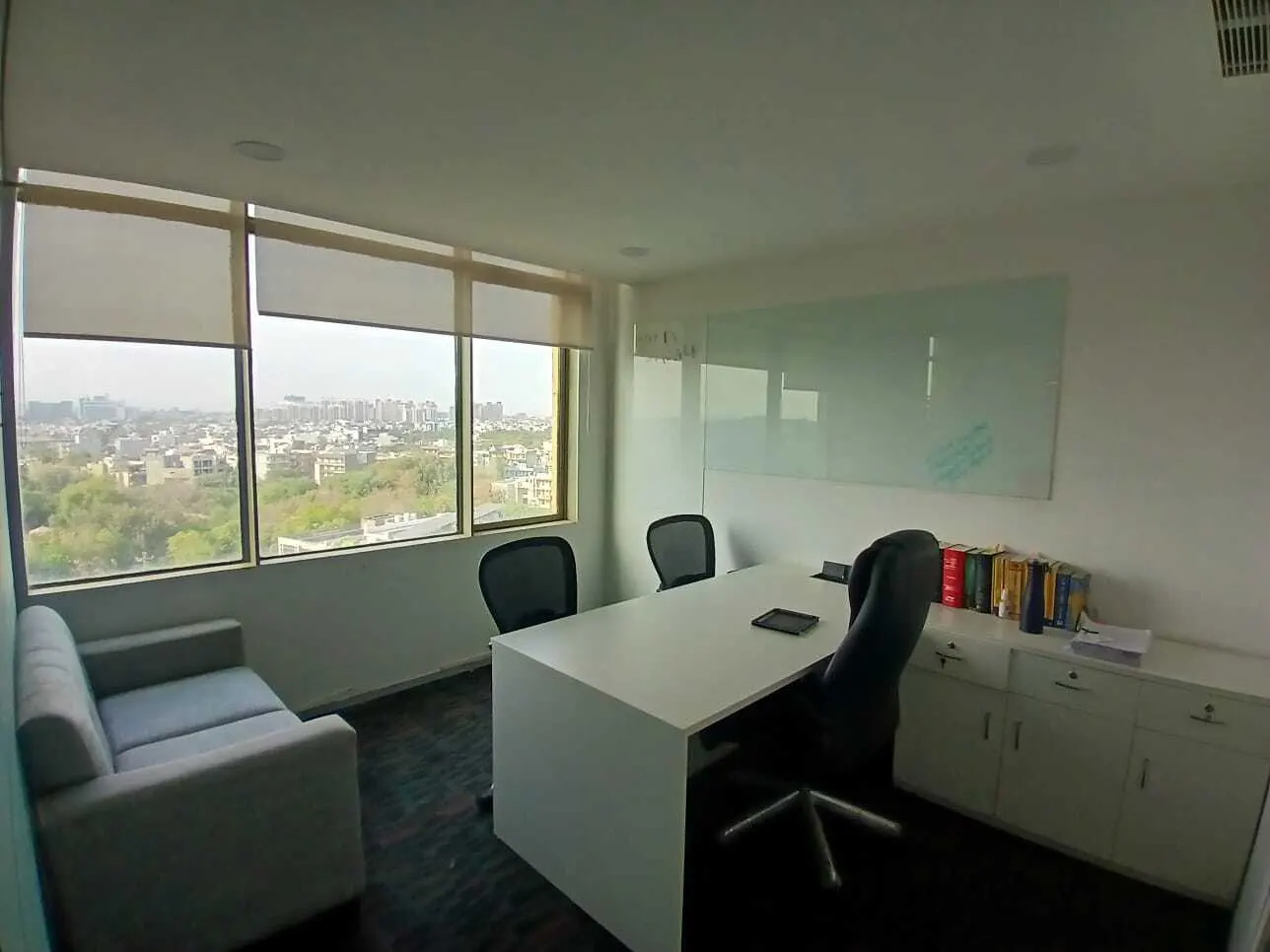
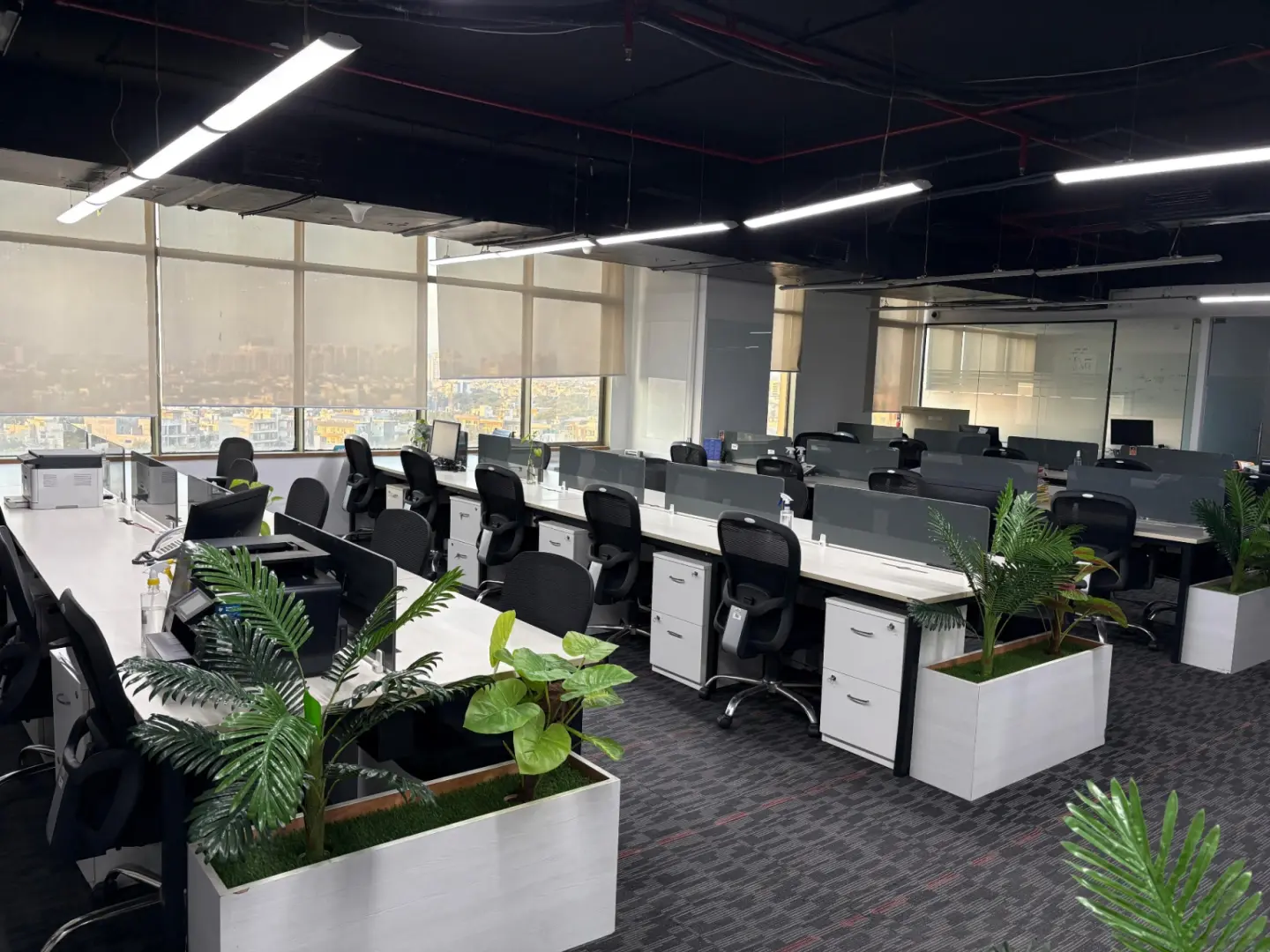
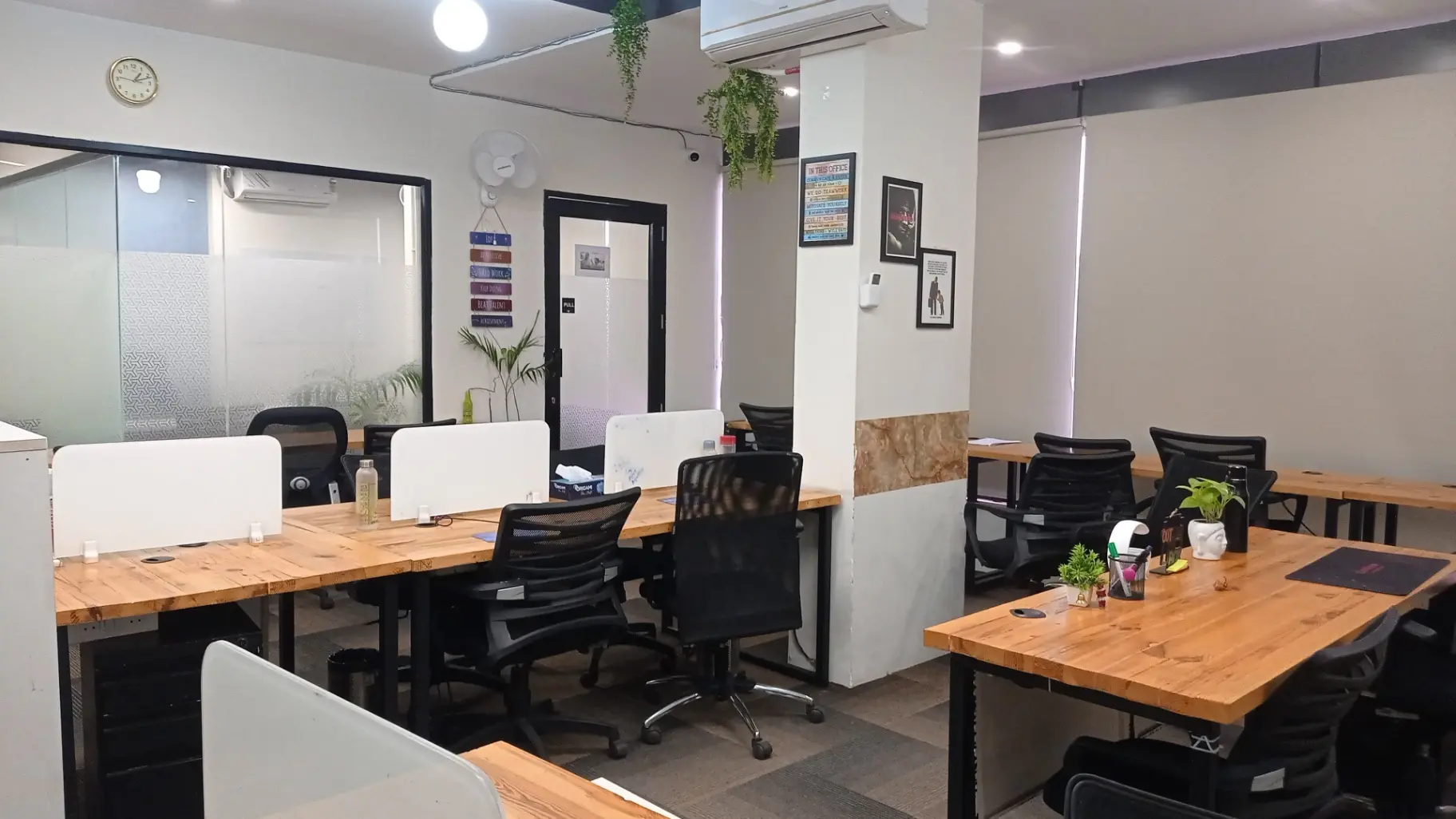
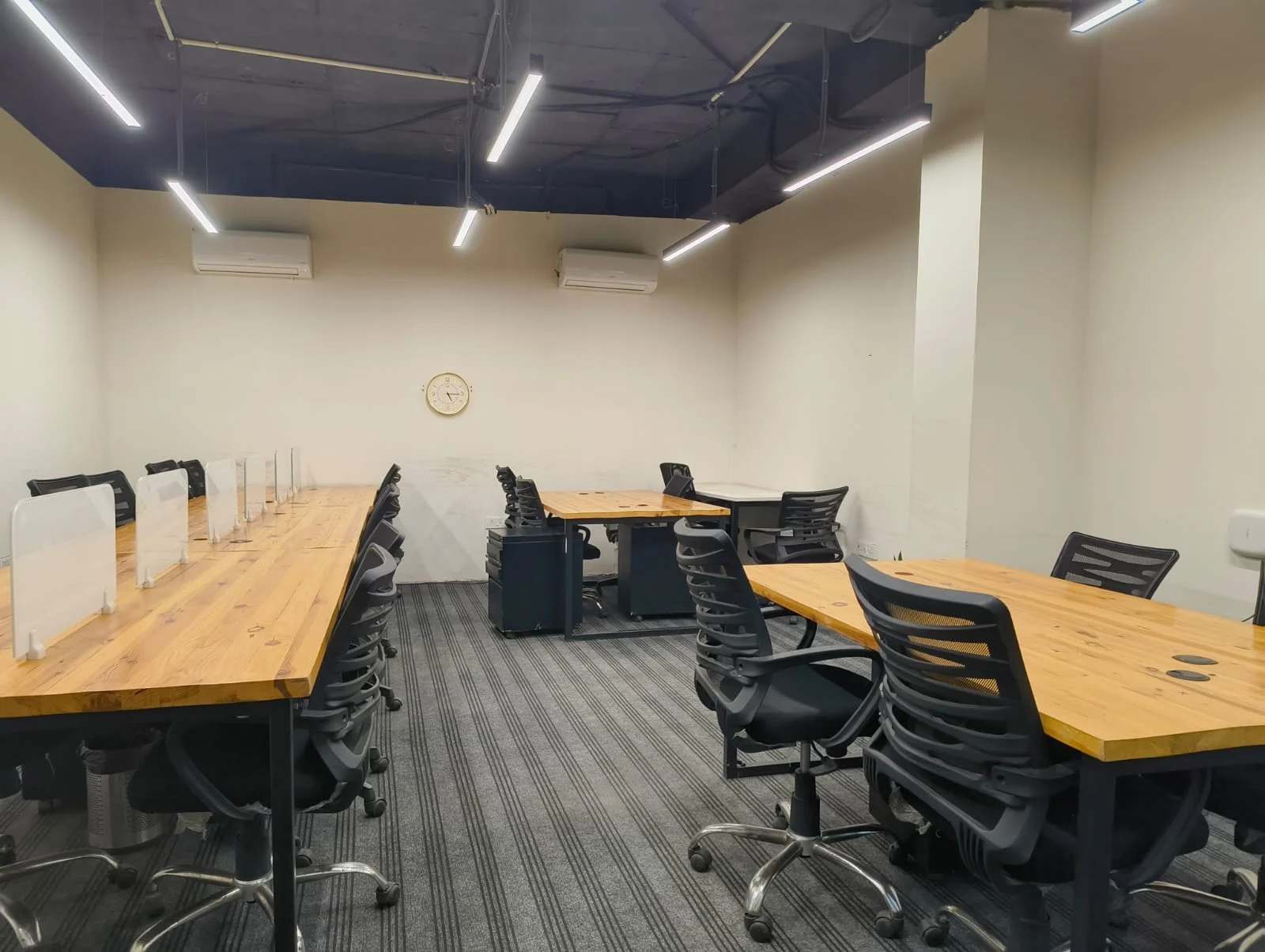
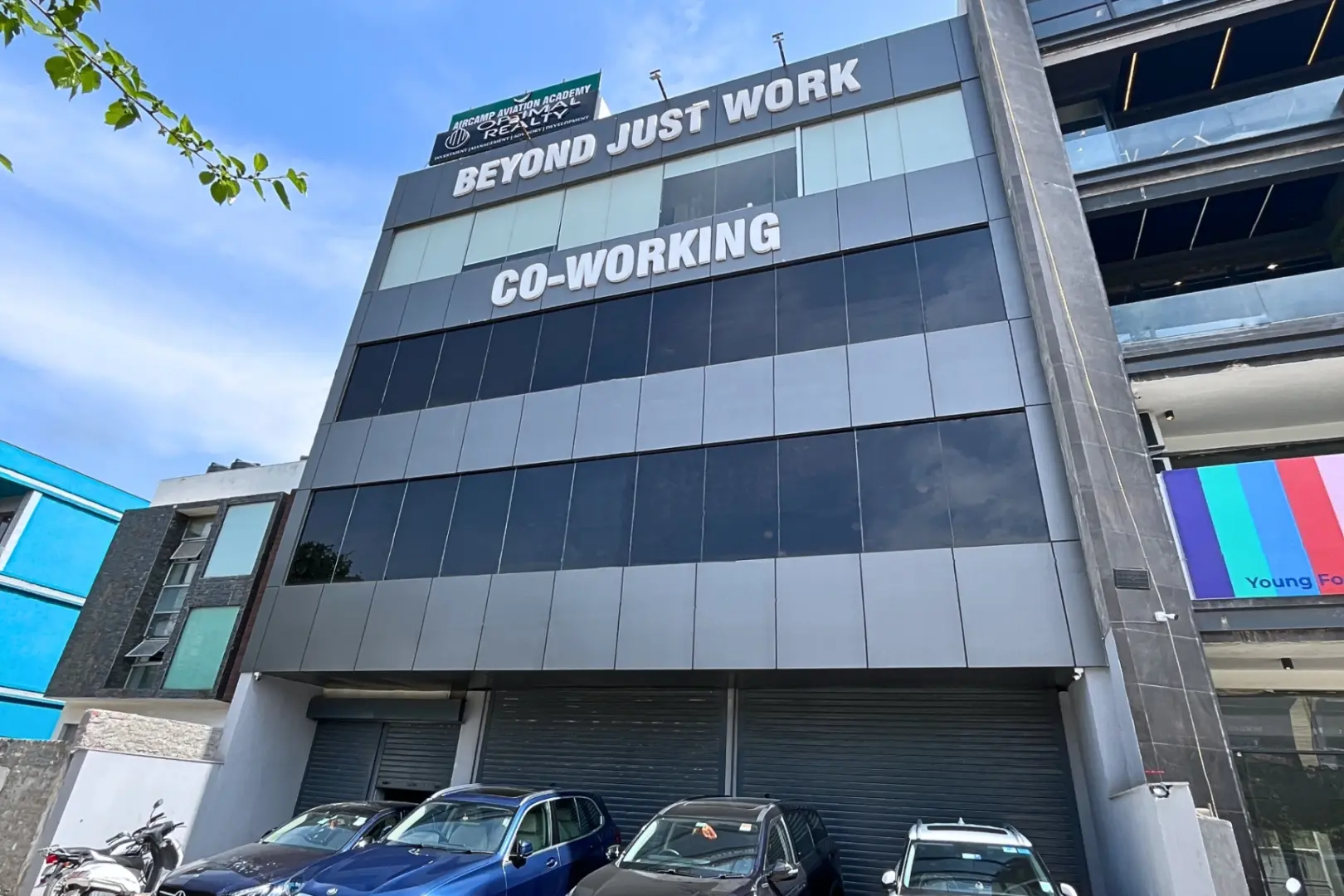
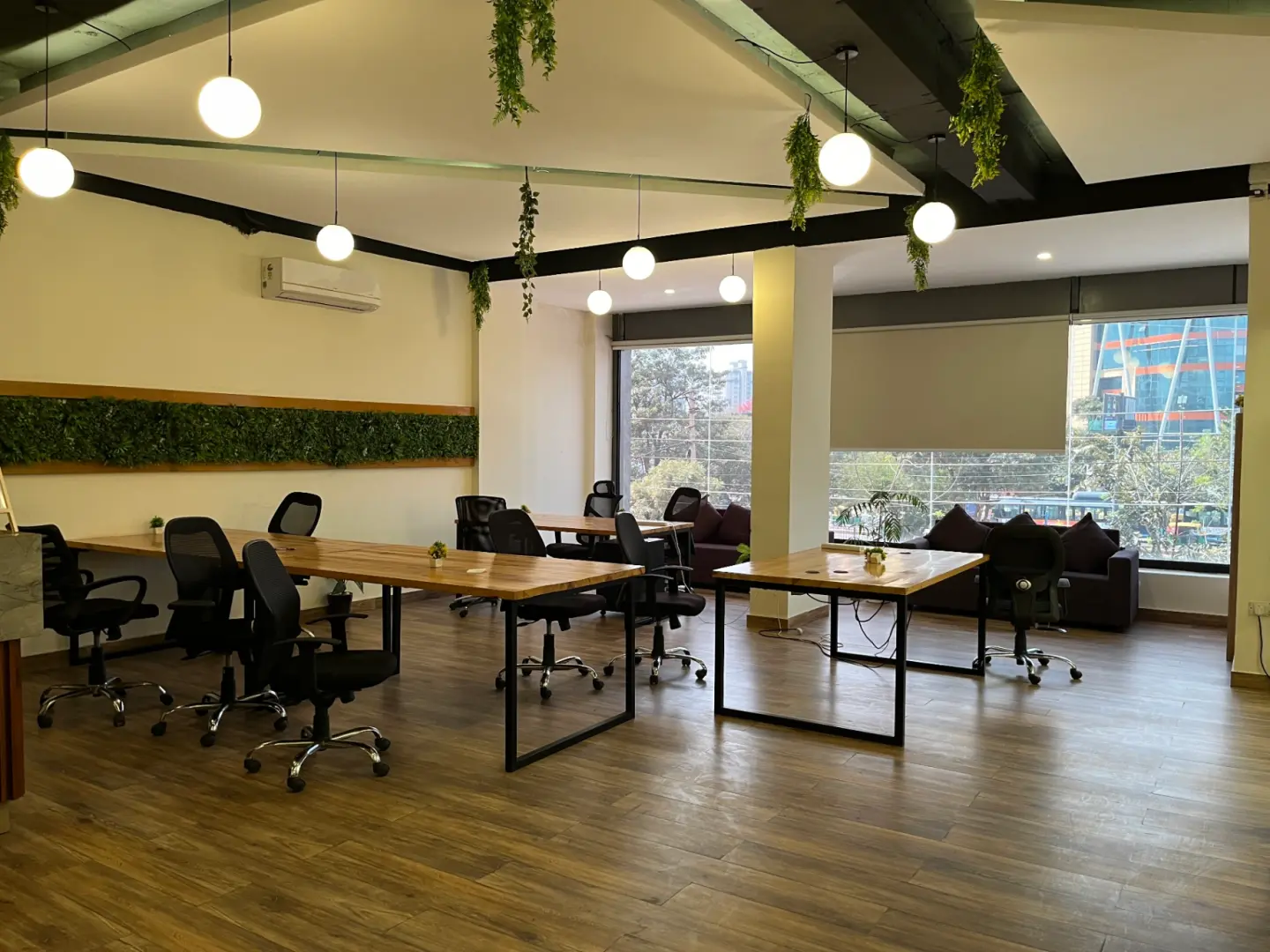
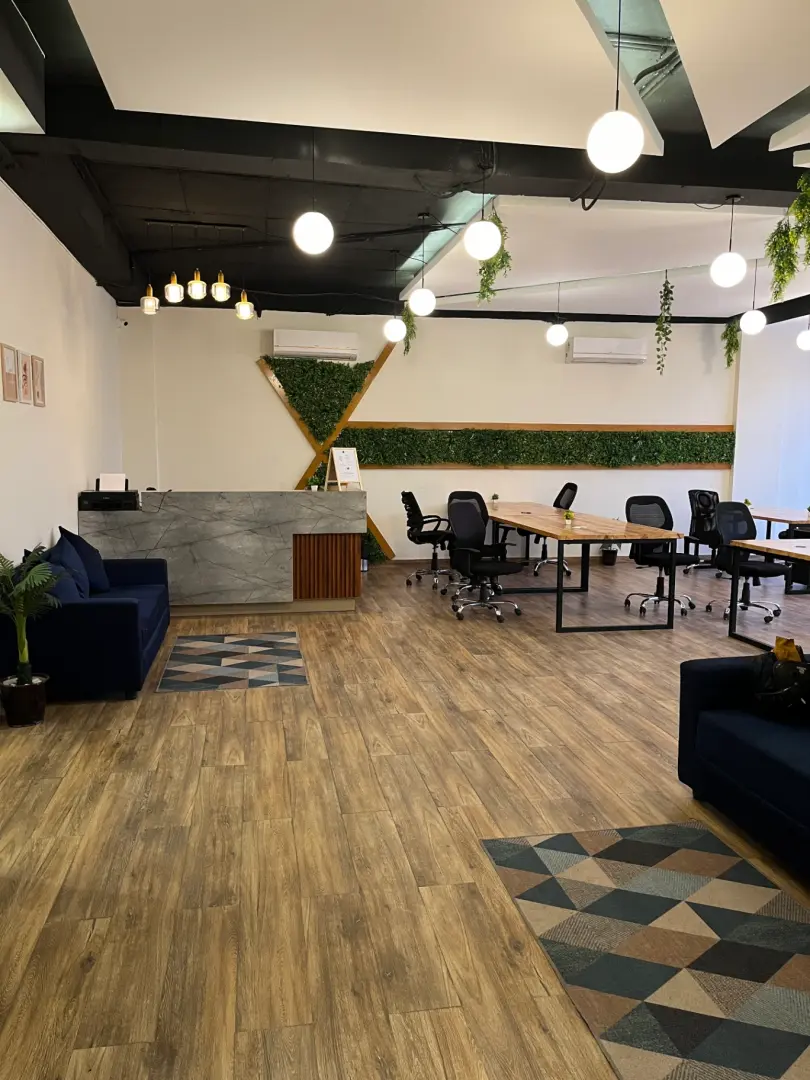
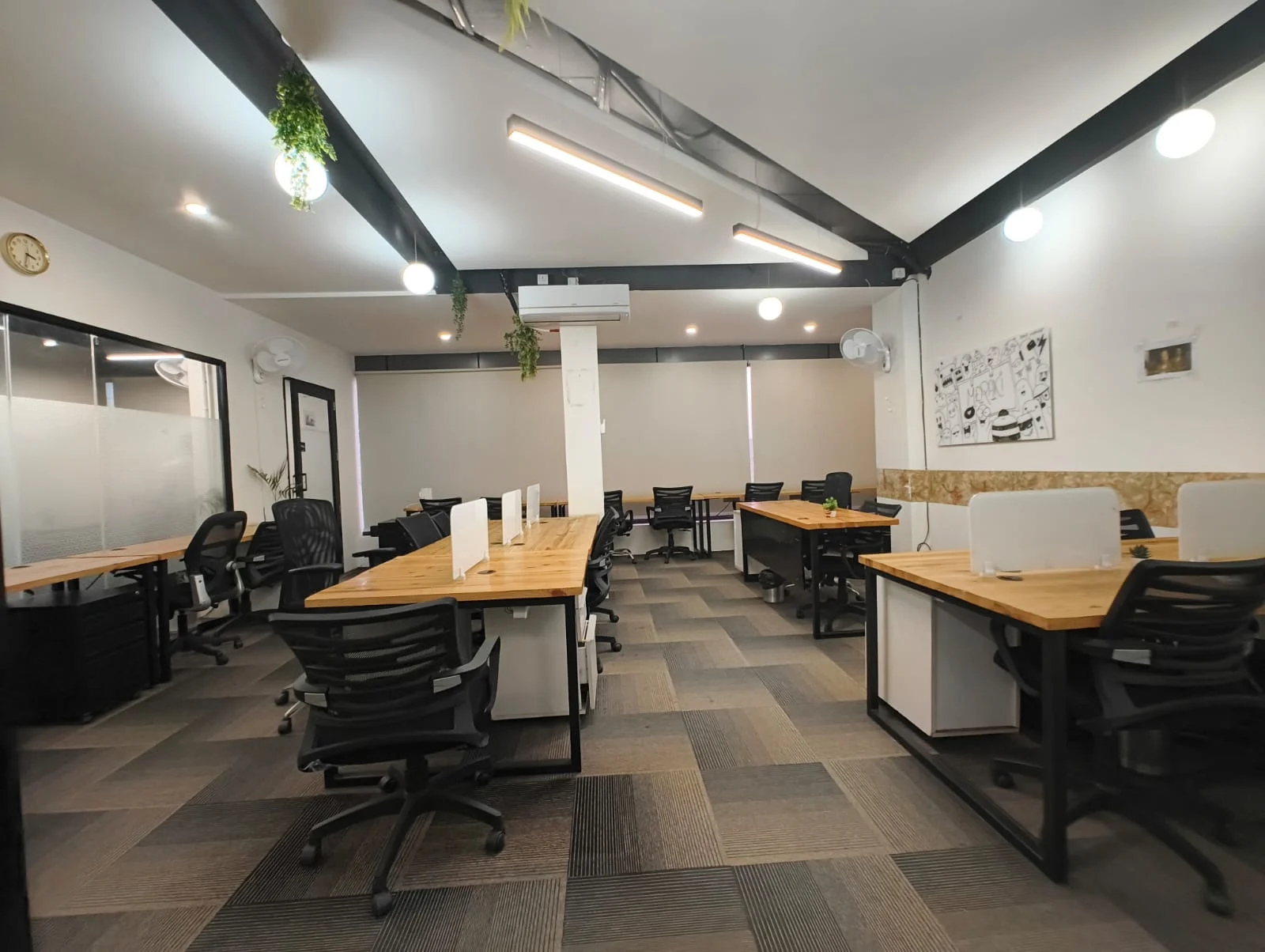
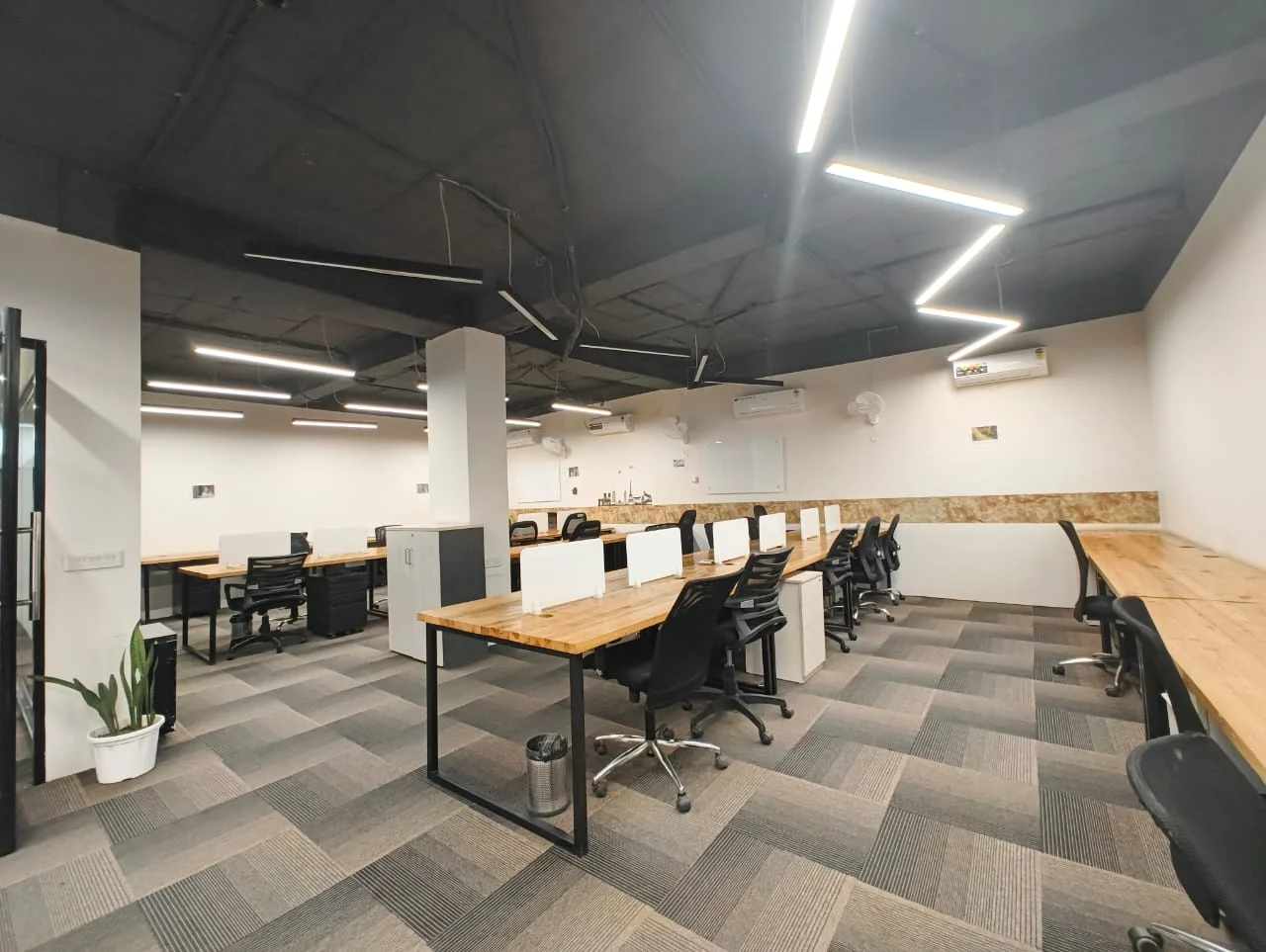
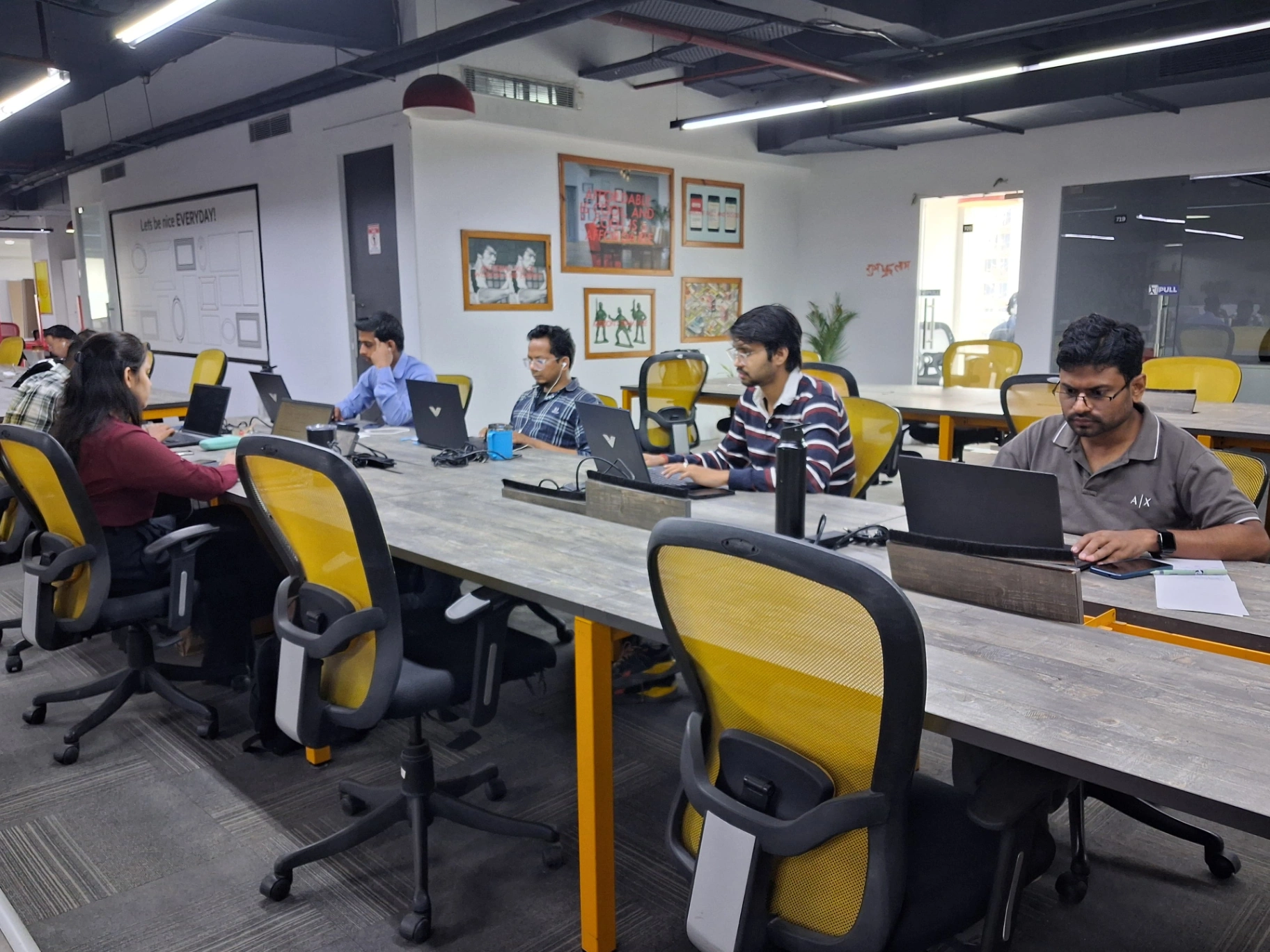
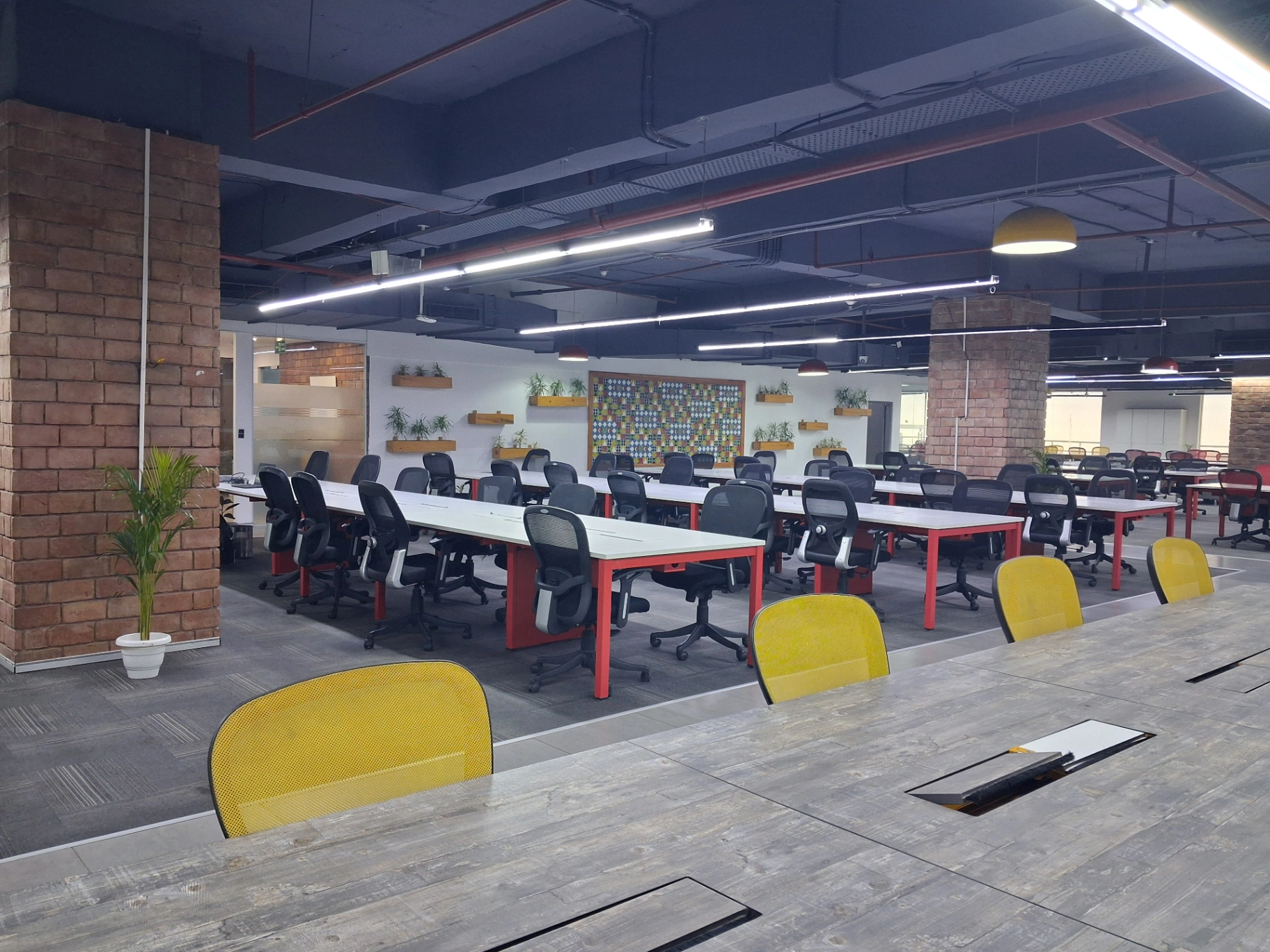
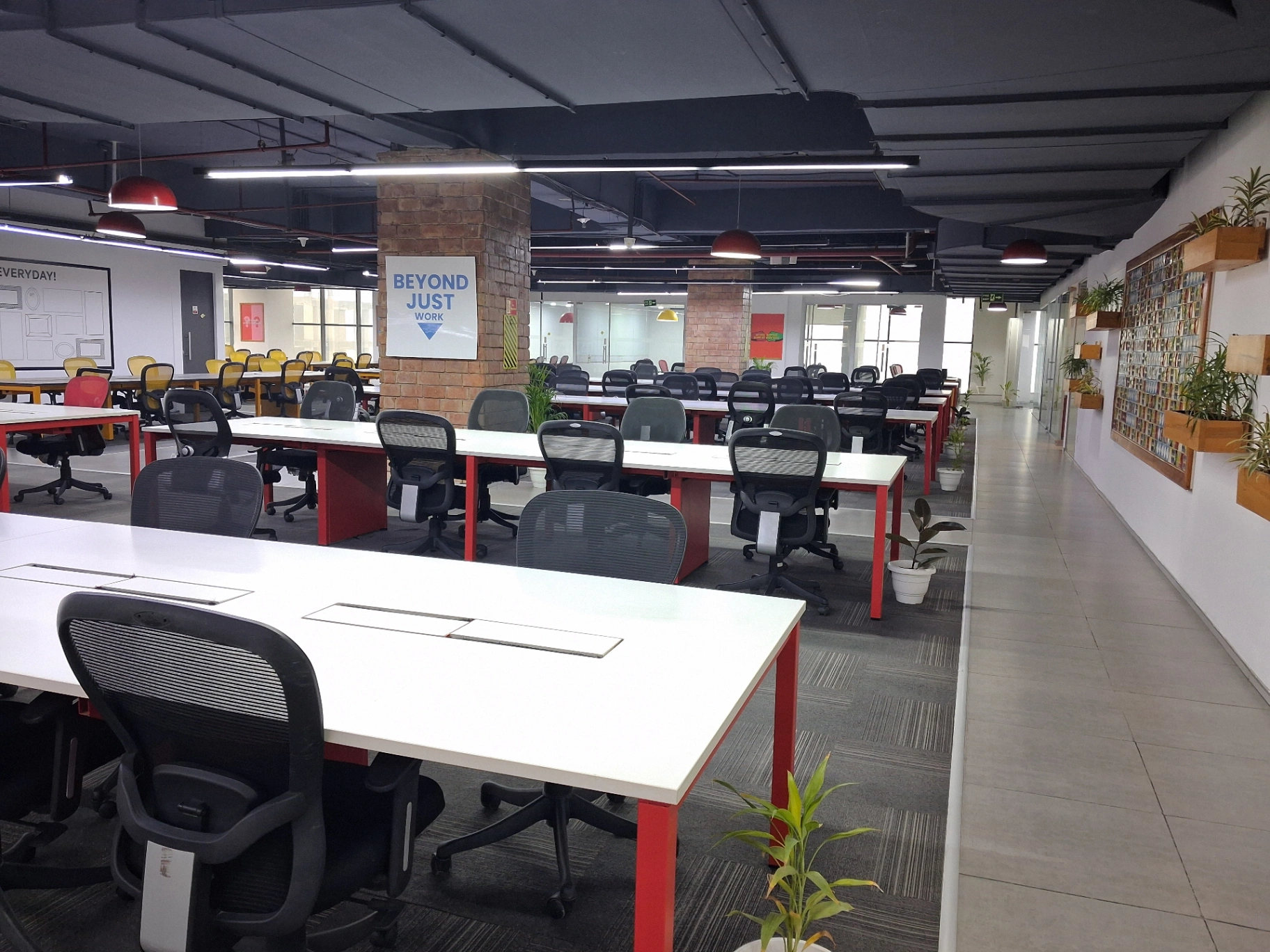
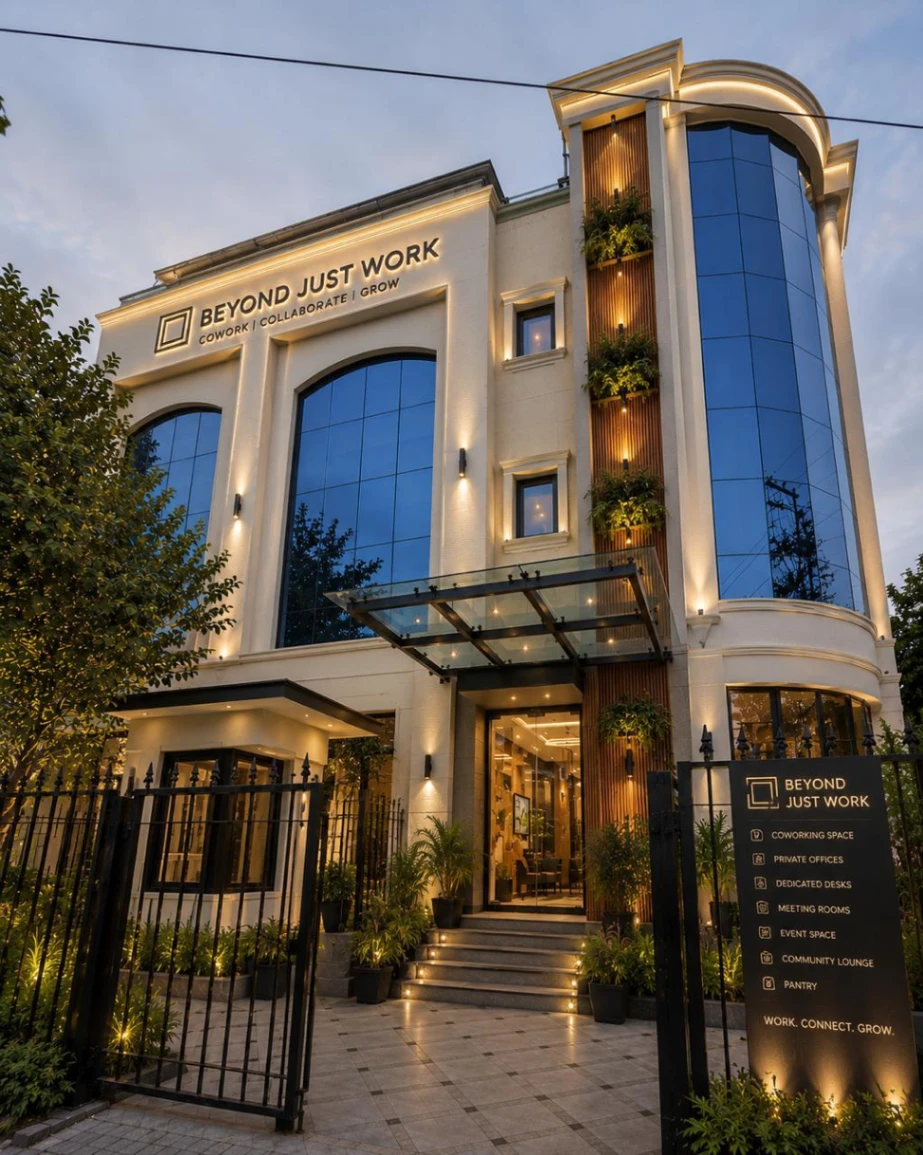
Beyond Just Work provides a professional podcast recording environment in Delhi for beginners, content creators, entrepreneurs, and businesses ready to share their ideas through audio and video content. The studio offers a suitable setting for interviews, solo recordings, expert conversations, and branded podcasts. From creating clear recordings to maintaining a comfortable production setup, the space supports a smooth content creation experience. Whether you are launching your first podcast or building an existing series, Beyond Just Work helps you turn your concepts into engaging conversations and quality content.
Open Hours
Available 24 hours - Monday to Sunday
Amenities
 Wifi
 Coffee
 Parking
 Projector
 Printer
 LED
 Power Backup
 Pet Friendly
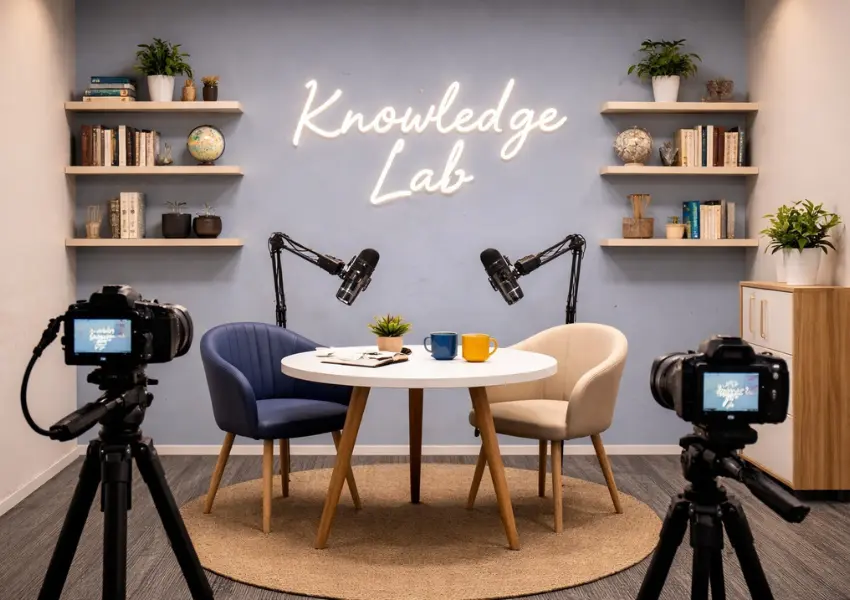
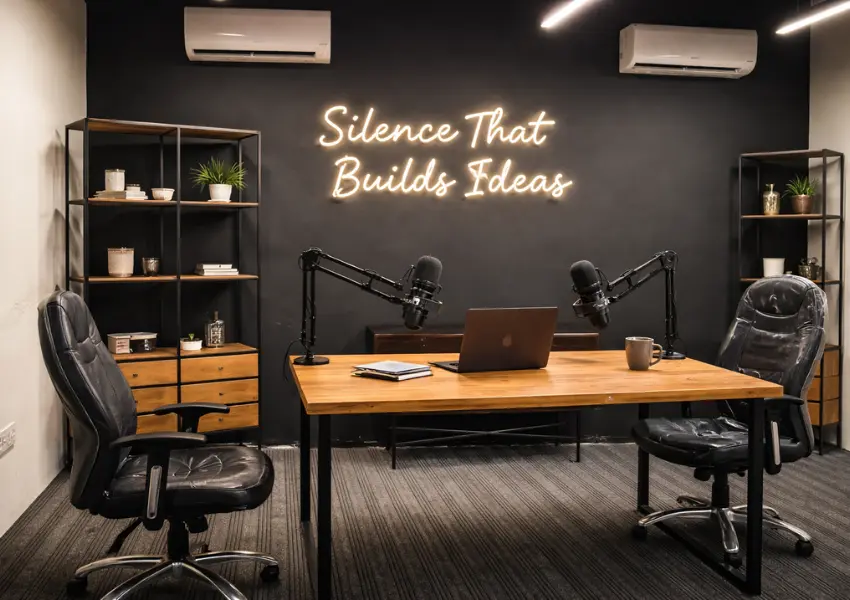
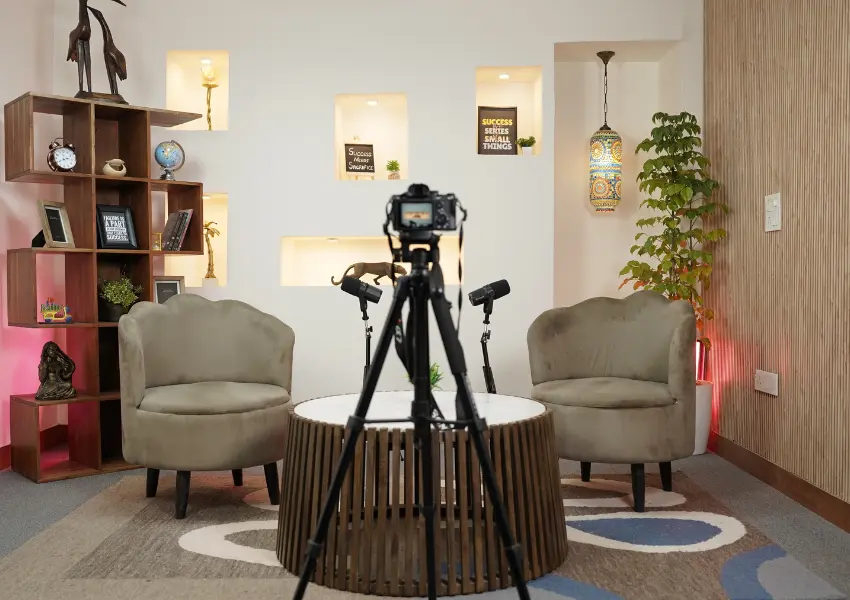
Book Premium Podcast Studio Near you
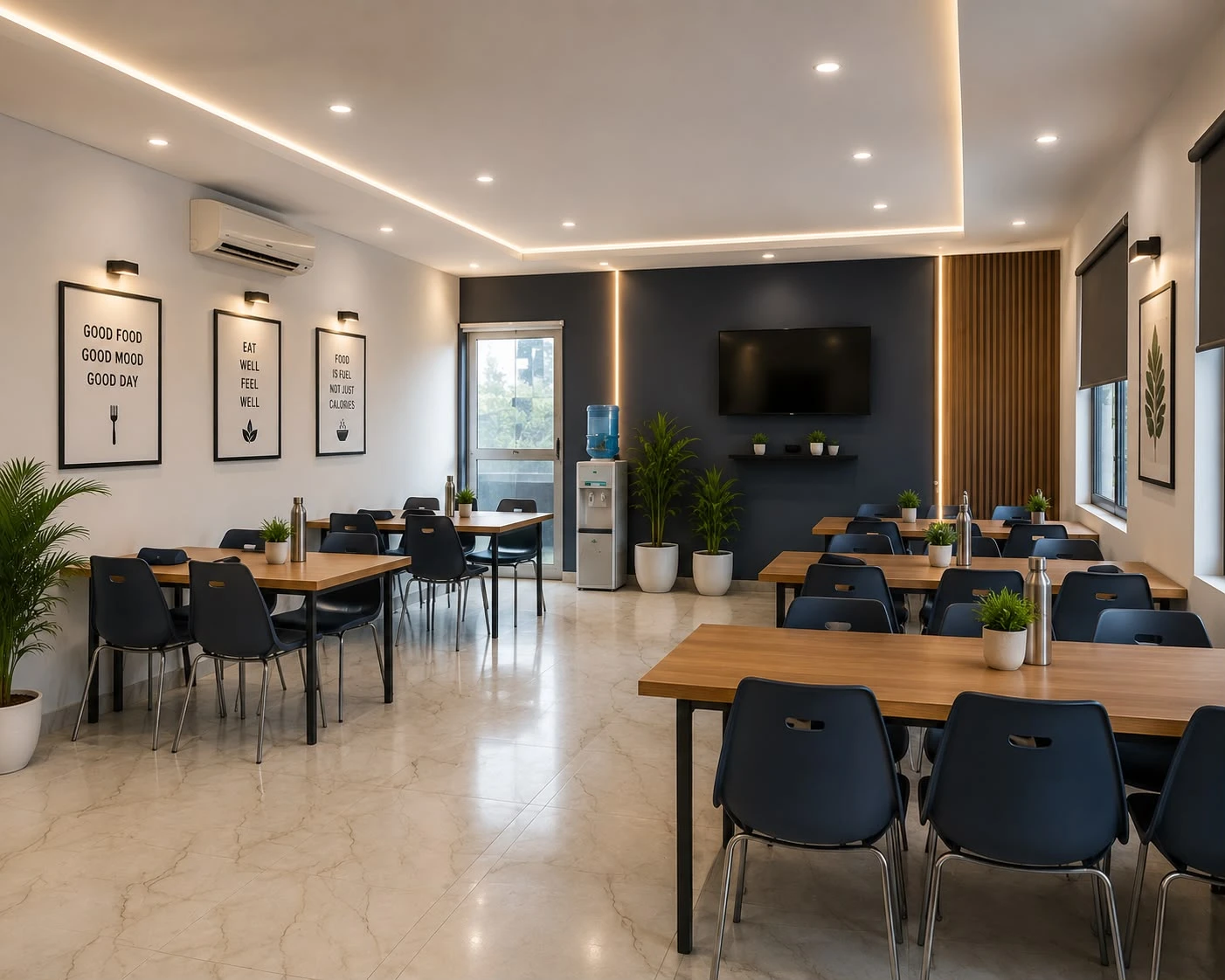
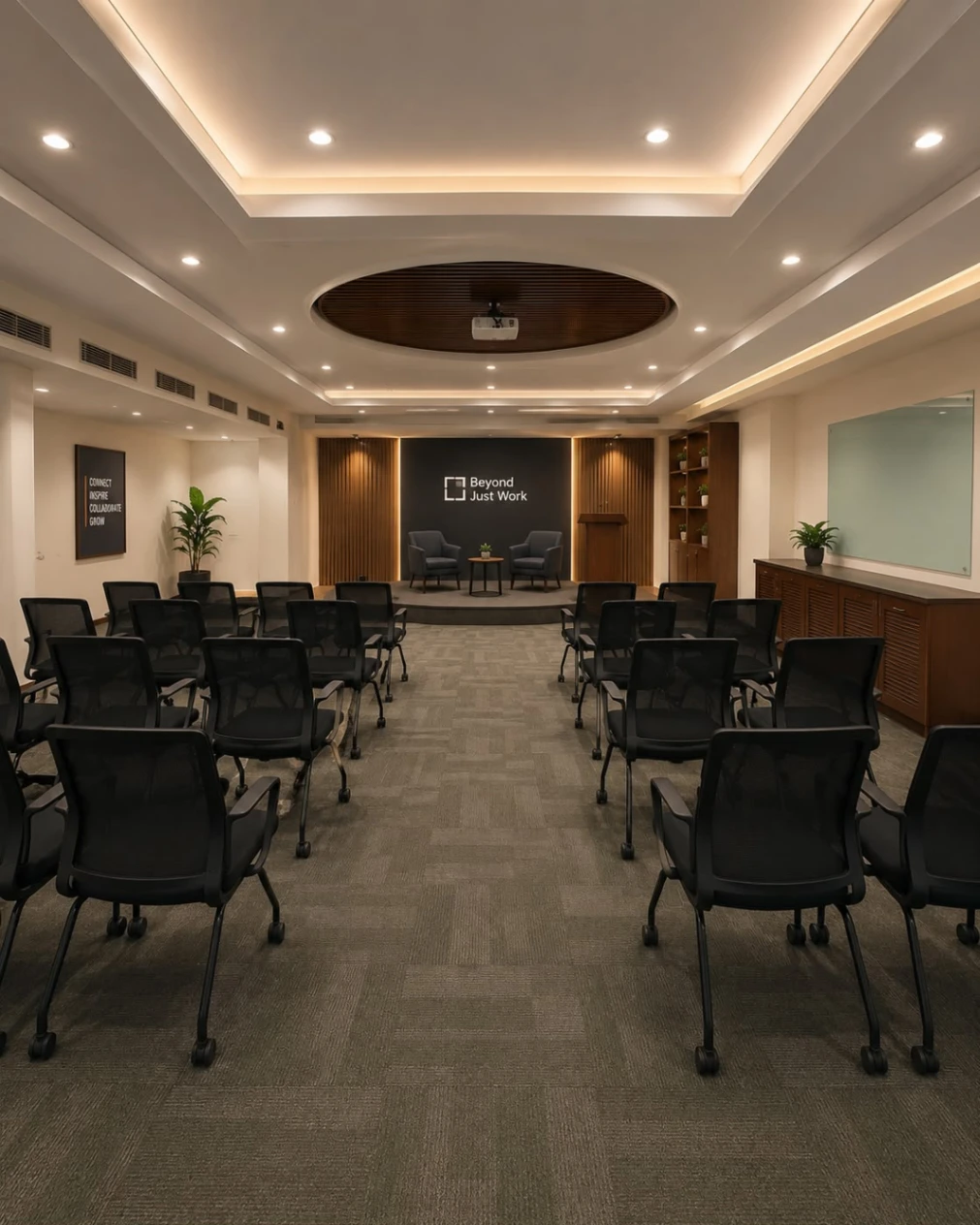
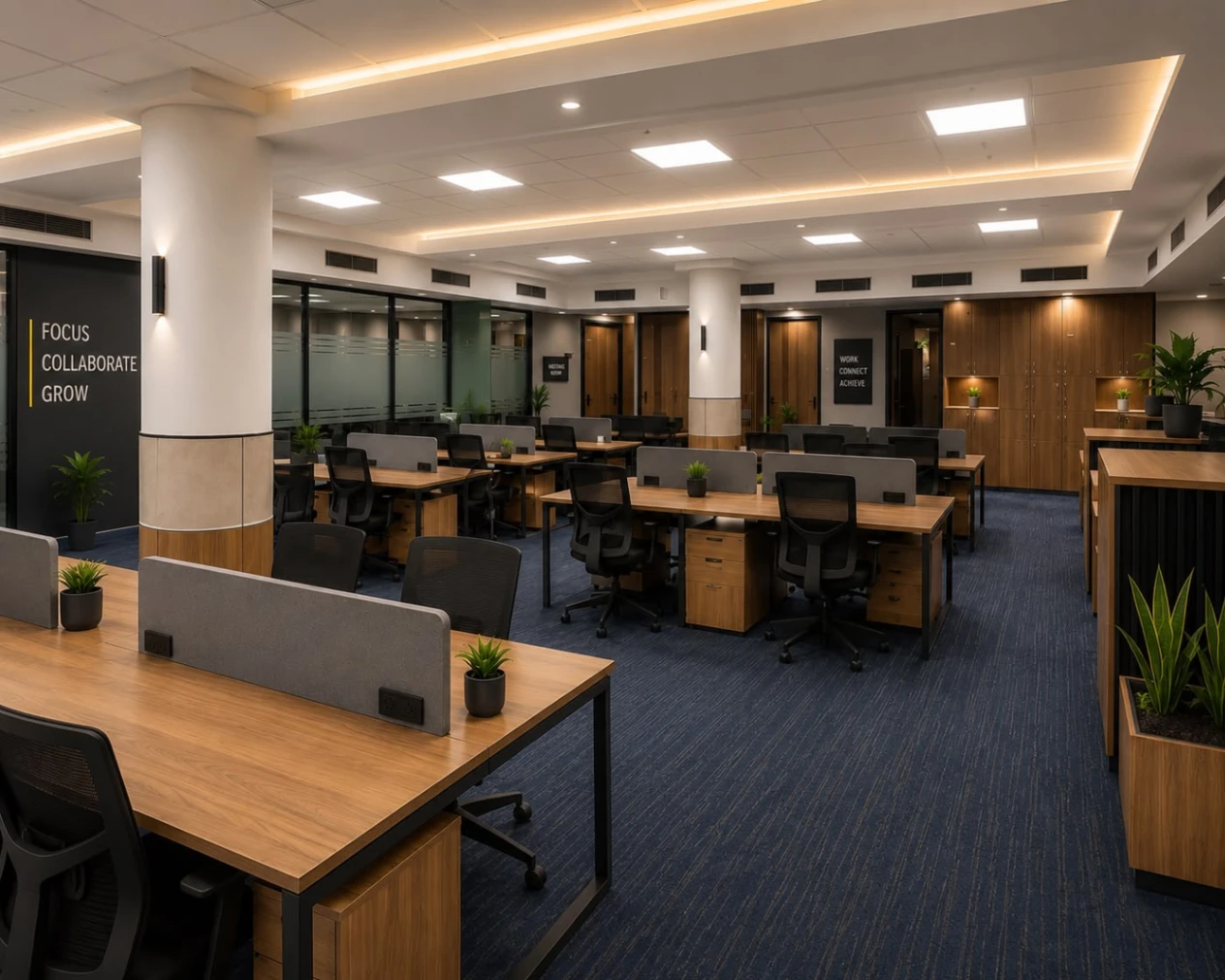
Spotlight on Our Featured Spaces
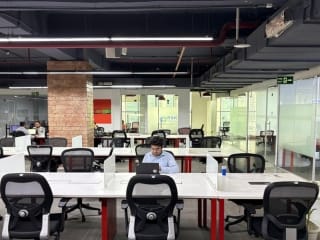
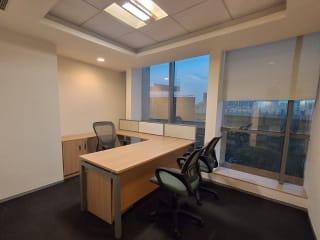
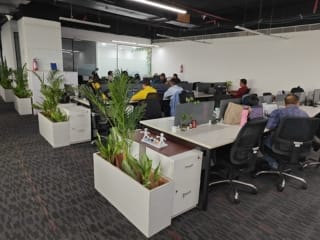
Discover our featured spaces, designed for flexibility and equipped with top amenities to boost productivity.

Expanding Near You—Explore Nearby Spaces
Coworking spaces that are flexible for meetings, gatherings, and work—always in desirable places.
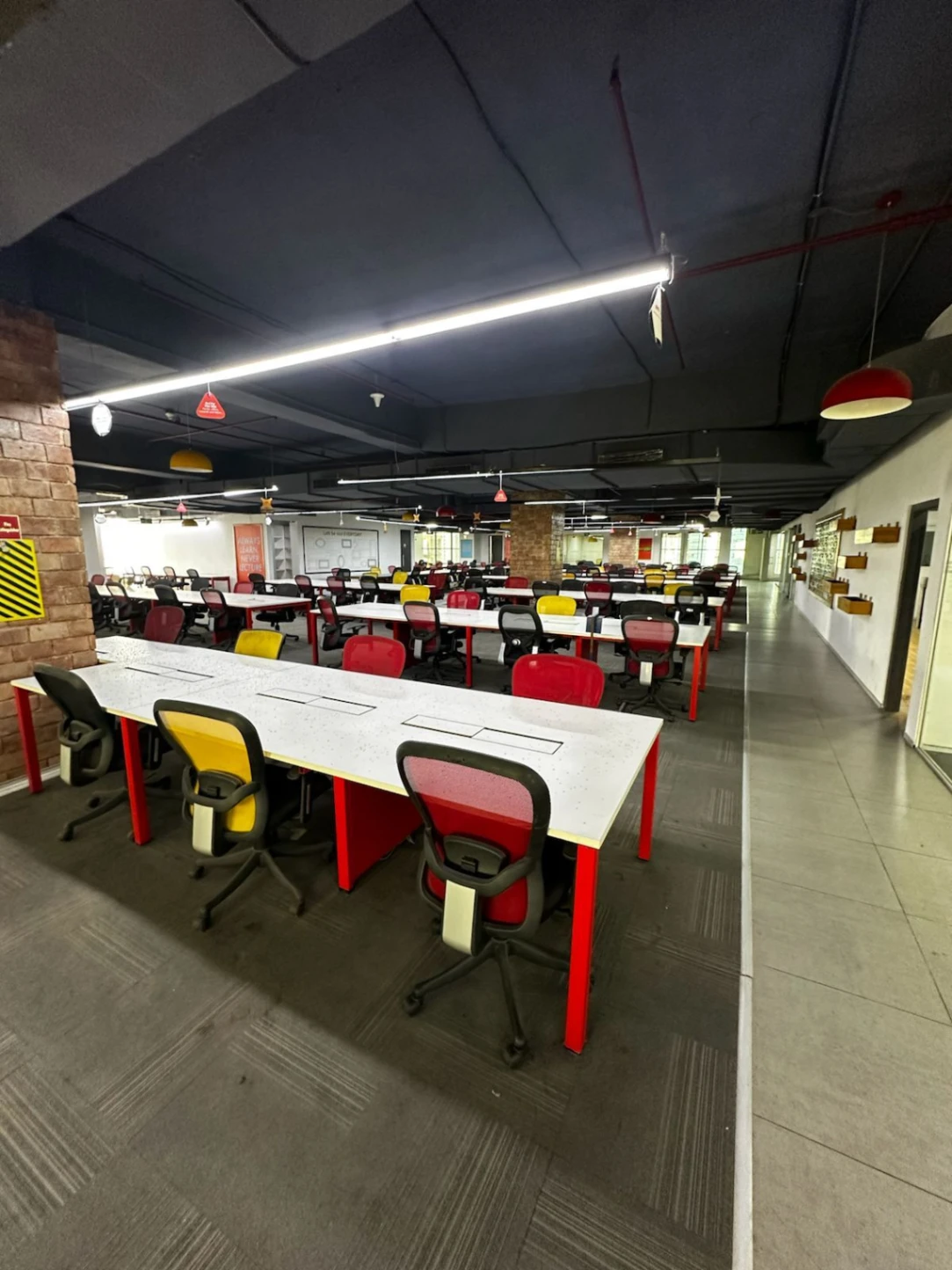
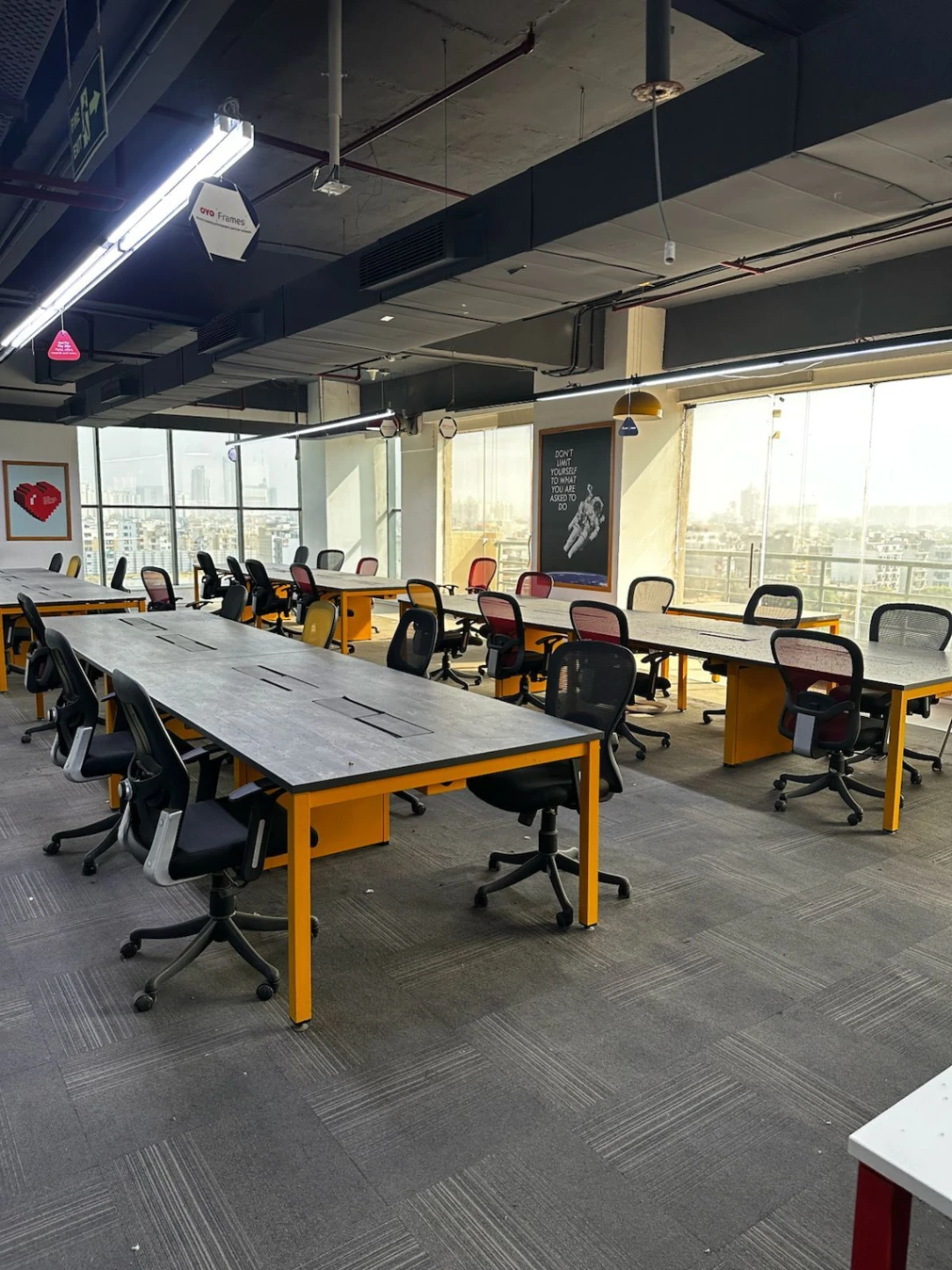
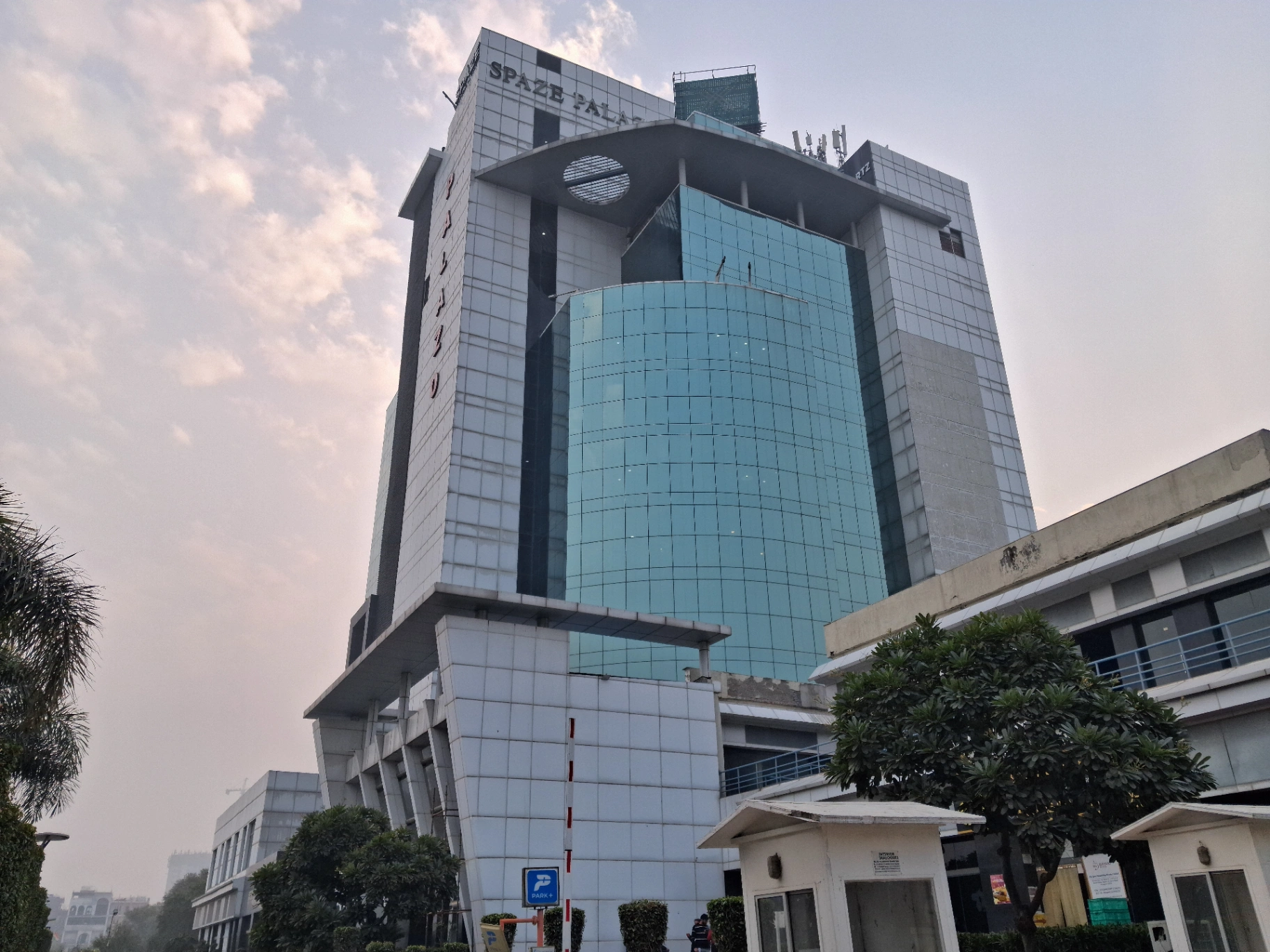
Trusted by Professionals Like You

Amazing place to work. Best workspace in Gurgaon. Elegant and modern work spaces, private rooms and good working environment. A lot of companies work there and the place gives you a good vibe. The staff and other people are really helpful. and specially there cummunity manager is very coperative and helpful.

Very vibrant space.I have been working here since one month in sector 14 location.Amazing experience. Community Manager Liza maintains very classy enviornment.She is professional.

Perfect space for a quick office setup. The environment is great for work, there is no disturbance unlike other co-working spaces. It's priced reasonably and offers all required facilities. The managers (Liza & Manish) and the staff are also very cooperative. Great place to work!

The space has a welcoming and productive atmosphere. Mala is so cooperative and supportive. The staff is friendly, responsive and always eager to help . highly recommend this co -working.

Loved how they provide just a hygienic and comfortable environment at such affordable pricing. The ambience is amazing as well!

I started going to beyond just work in gurugram around 2 months back and I can say for sure that it's really makes you so productive and efficienct! Totally recommended!

Working Space is clean and the environment is really pleasant to work in. Very spacious at affordable prices. Solid choice for anyone looking for office space.
Smart work starts with smart answers!
Explore clear, helpful insights designed to make your workspace experience smooth and stress-free.
Starting Your Podcast in Delhi: Studio Essentials Every Beginner Should Know
Starting a podcast requires more than an interesting topic or a good conversation. Beginners should understand the basic studio requirements before planning their first recording session. Choosing a suitable recording space, checking microphone quality, understanding camera placement, and ensuring proper lighting can make a significant difference to the final output. A professional podcast studio provides a controlled recording environment where background noise, unwanted interruptions, and technical difficulties can be managed more effectively. Before booking, consider the number of speakers, recording duration, audio or video requirements, seating arrangements, and available technical assistance. Having these details ready makes it easier to select a studio that matches your content goals without spending unnecessarily on facilities you may not need.
Another important consideration is understanding what happens before, during, and after the recording. Beginners should prepare a basic episode outline, test their audio setup, coordinate with guests, and keep their recording schedule organised. If you plan to publish video episodes, check camera quality, lighting arrangements, and framing options. You should also discuss editing requirements, raw file delivery, captions, and short-form content creation before confirming your session. Vroxe Productions offers a ready-to-record podcast environment with recording equipment and production assistance, helping beginners focus on their conversations rather than managing every technical detail themselves. With proper preparation and the right studio support, your first podcast recording in Delhi can become a strong starting point for building consistent content.
What Should You Plan Before Booking Your First Podcast Studio in Delhi?
Before booking a studio, think about the kind of podcast you want to create. Decide whether it will be a solo episode, a guest interview, a two-person conversation, or a panel discussion. Your format will influence the seating arrangement, number of microphones, and camera setup. Choose an episode topic that gives your conversation a clear direction. You do not need a complete script, but preparing a few main points can help you stay focused. This initial 𝗣𝗼𝗱𝗰𝗮𝘀𝘁 𝗣𝗹𝗮𝗻𝗻𝗶𝗻𝗴 makes it easier to explain your requirements when contacting a recording studio.
Next, consider your recording goals. Are you creating an audio podcast, a video episode for YouTube, or content for multiple platforms? Decide how many people will be present, whether guests need separate microphones, and whether you require multiple camera angles. Estimate the final episode length as well. A 30-minute episode may need additional studio time for equipment checks, introductions, and retakes. Sharing these details during your 𝗙𝗶𝗿𝘀𝘁 𝗣𝗼𝗱𝗰𝗮𝘀𝘁 𝗕𝗼𝗼𝗸𝗶𝗻𝗴 𝗗𝗲𝗹𝗵𝗶 enquiry helps the studio understand your needs before suggesting a suitable session duration or setup.
Finally, prepare a simple recording checklist before confirming your date. Keep your episode outline, important questions, guest details, and reference material ready. Check the studio's available equipment, hourly rate, booking duration, technical assistance, and raw file delivery options. Ask whether editing services are included or charged separately. Share your expected recording schedule in advance, especially when guests are involved. These small preparations can prevent last-minute changes, reduce unnecessary delays, and help you feel more confident when you enter the studio. A clear plan gives your first recording session a comfortable starting point.
Which Recording Equipment Does a Beginner Actually Need?
Starting a podcast does not mean you need to purchase every piece of recording equipment yourself. The right setup depends on whether you plan to create an audio-only podcast or a video podcast. A good microphone is essential because it captures your voice clearly while reducing unwanted sound when positioned correctly. Headphones help you monitor your voice during recording, making it easier to notice background noise, uneven volume or audio interruptions. For video podcasts, cameras capture the conversation while proper lighting keeps faces visible without harsh shadows. Understanding the purpose of each item makes choosing 𝗣𝗼𝗱𝗰𝗮𝘀𝘁 𝗥𝗲𝗰𝗼𝗿𝗱𝗶𝗻𝗴 𝗘𝗾𝘂𝗶𝗽𝗺𝗲𝗻𝘁 much easier, particularly when you are setting up your first episode.
An audio interface is another useful component, especially when connecting professional microphones to a recording system. It manages microphone inputs, helps control recording levels, and supports a consistent audio signal. Beginners do not need to understand every technical setting before entering a studio. What matters is having equipment suited to the number of speakers, recording format, and publishing goals. A ready-to-use 𝗣𝗼𝗱𝗰𝗮𝘀𝘁 𝗦𝘁𝘂𝗱𝗶𝗼 𝗦𝗲𝘁𝘂𝗽 𝗗𝗲𝗹𝗵𝗶 can make the process more comfortable because microphones, cameras, lighting, and audio connections are arranged before the session. You can spend less time handling unfamiliar devices and focus more on your conversation. Before booking, check whether the studio provides equipment assistance, a test recording, and suitable arrangements for every speaker.
Check these four equipment essentials before your first recording:
-
Microphones: Check microphone quality, availability for each speaker, adjustable stands, and proper placement.
-
Headphones: Confirm that monitoring headphones are available to identify audio problems during recording.
-
Cameras and lighting: For video podcasts, check camera quality, recording angles, lighting arrangements, and clear framing.
-
Audio interface and recording system: Ask about microphone connections, audio level controls, recording software, and technical assistance.
How Can You Tell If a Podcast Studio Will Deliver Clear Audio Quality?
Clear audio can make a significant difference to how listeners experience your podcast. Even an interesting discussion may lose its impact when voices are covered by background noise, echoes or uneven sound levels. Before booking a studio, pay attention to the recording environment. Listen for traffic sounds, outside conversations, air-conditioning noise, and other distractions that might enter the recording. Room acoustics matter just as much. Hard surfaces can create unwanted echoes, making voices sound distant or unclear. A properly treated recording room helps control sound reflections, giving conversations a cleaner, more balanced feel. Good 𝗣𝗼𝗱𝗰𝗮𝘀𝘁 𝗔𝘂𝗱𝗶𝗼 𝗤𝘂𝗮𝗹𝗶𝘁𝘆 begins with a suitable room rather than relying only on expensive microphones.
Microphone placement is another detail beginners should check before starting a session. A microphone positioned too far away may capture more room noise than the speaker's voice. Placing it too close can create harsh breathing sounds, popping noises, or uneven volume. Ask whether the studio team checks microphone distance, input levels, and headphone monitoring before recording. Each speaker should have a suitable microphone position, so voices remain consistent throughout the conversation. A professional 𝗦𝗼𝘂𝗻𝗱𝗽𝗿𝗼𝗼𝗳 𝗣𝗼𝗱𝗰𝗮𝘀𝘁 𝗦𝘁𝘂𝗱𝗶𝗼 𝗗𝗲𝗹𝗵𝗶 should also provide a controlled environment where unwanted external sounds are reduced, helping speakers record without frequent interruptions.
A short test recording is one of the simplest ways to judge audio quality before committing to a full episode. Speak normally for a minute or two, listen through headphones, and check whether your voice sounds natural and consistent. Pay attention to background hum, echo, sudden volume changes, distorted speech, and microphone handling noise. Try speaking at your usual conversational volume rather than deliberately adjusting your voice for the test. Ask the studio team to correct any noticeable issues before the actual recording begins. These checks take very little time but can prevent frustrating retakes later. For beginners, testing the sound beforehand creates confidence that the final episode will be clear, comfortable to listen to, and ready for post-production.
What Should You Expect During Your First Podcast Recording Session?
Your first podcast studio session usually begins with a brief introduction to the recording space. Once you arrive, the studio team can show you the available equipment, explain the basic recording process, and help you get familiar with the setup. You will be guided towards your seating position based on the number of speakers and the conversation format. Before recording starts, keep your episode outline or discussion points nearby. There is no need to rush into speaking immediately. Take a few minutes to settle down, arrange your notes, get comfortable with the surroundings. A well-organised 𝗙𝗶𝗿𝘀𝘁 𝗣𝗼𝗱𝗰𝗮𝘀𝘁 𝗥𝗲𝗰𝗼𝗿𝗱𝗶𝗻𝗴 session should give beginners enough time to understand the setup before the cameras start rolling.
Once everyone is seated, the next step involves checking microphones, headphones, camera angles, and lighting. The team may adjust microphone distance, check voice levels, and position cameras to capture each speaker clearly. If you are recording a video podcast, confirm that your face remains properly framed while speaking naturally. A short test recording helps identify background noise, echo, low volume, and camera issues before the actual episode begins. Listen to the test through headphones rather than relying only on what you hear in the room. During the 𝗣𝗼𝗱𝗰𝗮𝘀𝘁 𝗥𝗲𝗰𝗼𝗿𝗱𝗶𝗻𝗴 𝗘𝘅𝗽𝗲𝗿𝗶𝗲𝗻𝗰𝗲 𝗗𝗲𝗹𝗵𝗶, having someone available to guide these checks can make unfamiliar equipment feel much easier to handle.
After the checks are complete, you can begin the actual conversation. Keep your attention on the topic instead of worrying about every technical detail. Small pauses, natural expressions, and occasional retakes are normal, particularly during your first session. Once recording finishes, confirm that the audio and video files have been saved properly. Ask about raw file access, delivery formats, editing requirements, and expected timelines if post-production is included. Review the session details before leaving so you know what happens next. Understanding each stage beforehand helps reduce nervousness, makes your first studio visit more comfortable, and gives you a clearer idea of how future podcast sessions will work.
How Much Studio Time Is Enough for Your First Podcast Episode?
The length of your final podcast episode is not the same as the time you need to book a studio. A 30-minute episode may require 45 to 60 minutes of studio time once you include arrival, seating, microphone adjustments, camera checks, and sound testing. First-time creators should leave some room for retakes, short breaks, and unexpected technical adjustments. If you are recording with a guest, allow extra time to settle in, review the discussion points, get both speakers comfortable with the setup. Understanding the difference between episode length and total 𝗣𝗼𝗱𝗰𝗮𝘀𝘁 𝗥𝗲𝗰𝗼𝗿𝗱𝗶𝗻𝗴 𝗧𝗶𝗺𝗲 helps you avoid rushing through important parts of the conversation.
Your booking duration should also match the type of content you plan to produce. A simple solo audio episode may need less preparation than a two-person video interview involving multiple cameras. Before confirming a slot, ask about the 𝗣𝗼𝗱𝗰𝗮𝘀𝘁 𝗦𝘁𝘂𝗱𝗶𝗼 𝗛𝗼𝘂𝗿𝗹𝘆 𝗣𝗿𝗶𝗰𝗲 𝗗𝗲𝗹𝗵𝗶, minimum booking duration, setup time included in the session. Check whether additional time is charged at the same hourly rate. Share your expected episode length with the studio team so they can help estimate a suitable slot. A little extra time is often more useful than trying to finish everything within a tight schedule.
Use these four points to estimate your booking duration:
-
Setup time: Keep around 10 to 15 minutes for seating, microphone adjustments, camera framing, basic equipment checks.
-
Sound testing: Allow 5 to 10 minutes for a short test recording, headphone checks, audio corrections.
-
Actual recording: Reserve time based on your planned episode length, with extra room for pauses, retakes, guest discussions.
-
Final checks: Keep a few minutes to confirm that audio and video files have been saved correctly. Check additional-hour charges before booking.
What Technical Support Should Be Available During a Recording Session?
Technical assistance can make a first podcast recording much easier, especially when you are unfamiliar with professional studio equipment. Before recording begins, someone should help adjust microphone height, distance, and input levels according to each speaker's voice. Proper microphone placement helps capture clear speech while reducing unwanted breathing sounds and background noise. Headphone monitoring is equally important because it lets you catch audio problems before they affect the whole episode. Good 𝗣𝗼𝗱𝗰𝗮𝘀𝘁 𝗧𝗲𝗰𝗵𝗻𝗶𝗰𝗮𝗹 𝗦𝘂𝗽𝗽𝗼𝗿𝘁 should include these basic checks so beginners can focus on their conversation instead of worrying about technical settings.
Video recording requires additional attention from the studio team. The studio team should check camera framing, lighting positions, and recording angles before the session starts. Someone familiar with the recording software should verify the correct audio inputs, camera feeds, and storage settings. A short test recording can reveal issues such as missing audio, distorted voices, poor framing, and incorrect volume levels. Reliable 𝗣𝗼𝗱𝗰𝗮𝘀𝘁 𝗥𝗲𝗰𝗼𝗿𝗱𝗶𝗻𝗴 𝗔𝘀𝘀𝗶𝘀𝘁𝗮𝗻𝗰𝗲 𝗗𝗲𝗹𝗵𝗶 can help creators understand the setup without having to learn every control themselves. This becomes particularly useful when recording with multiple guests or using more than one camera.
Technical support also matters once the actual conversation begins. A microphone connection may become loose, audio levels may change, and recording software may stop responding. Having someone available to identify these problems quickly can prevent unnecessary interruptions and reduce the chances of losing important footage. Beginners should feel comfortable asking for help whenever something sounds unusual or equipment needs adjustment. Before booking, ask whether technical assistance remains available throughout the session or only during initial setup. Consistent support creates a more relaxed recording environment, helping new creators maintain their confidence and complete their episodes without getting distracted by equipment problems.
How Can You Choose a Convenient Podcast Studio Location in Delhi?
Choosing the right location can make a noticeable difference to your podcast recording experience, especially when guests, hosts, or production team members are travelling from different parts of Delhi. A studio that is difficult to reach can lead to late arrivals, scheduling issues, and unnecessary travel fatigue. Before booking, check whether the 𝗣𝗼𝗱𝗰𝗮𝘀𝘁 𝗦𝘁𝘂𝗱𝗶𝗼 𝗟𝗼𝗰𝗮𝘁𝗶𝗼𝗻 𝗗𝗲𝗹𝗵𝗶 offers convenient access through major roads, nearby metro stations, or familiar local landmarks. Good metro connectivity is particularly useful for guests who prefer public transport. Searching for a 𝗣𝗼𝗱𝗰𝗮𝘀𝘁 𝗦𝘁𝘂𝗱𝗶𝗼 𝗡𝗲𝗮𝗿 𝗠𝗲𝘁𝗿𝗼 can help narrow down options that reduce travel complications while making it easier to arrive on time.
Parking availability is another important factor, particularly when guests are arriving by car or the production team needs to carry additional equipment. Check whether the studio has dedicated parking, accessible drop-off points, or nearby parking facilities. Also consider the travel time from important Delhi locations, traffic conditions during your recording slot, and the availability of clear directions. A conveniently located podcast studio should be easy to identify without requiring guests to make multiple calls for directions. These small details help create a smoother recording schedule, allowing everyone to focus on the conversation rather than the journey.
What Should You Check in a Podcast Studio Package Before Paying?
Before booking a recording space, take time to understand what the advertised price actually includes. The 𝗣𝗼𝗱𝗰𝗮𝘀𝘁 𝗦𝘁𝘂𝗱𝗶𝗼 𝗣𝗿𝗶𝗰𝗲 𝗗𝗲𝗹𝗵𝗶 can vary depending on recording duration, equipment quality, studio facilities, and the level of production support provided. Some studios charge by the hour, while others offer fixed packages with minimum booking durations. Check whether the quoted rate covers access to cameras, professional microphones, lighting, recording consoles, comfortable seating, and a prepared recording environment. Also confirm whether you can access the studio before your scheduled session for setup or sound checks. Understanding these details helps you estimate the actual cost instead of relying only on the advertised hourly rate.
When comparing different 𝗣𝗼𝗱𝗰𝗮𝘀𝘁 𝗦𝘁𝘂𝗱𝗶𝗼 𝗣𝗮𝗰𝗸𝗮𝗴𝗲𝘀, pay attention to the services included after recording. Ask whether technical assistance is available throughout the session, whether raw audio and video files are provided, and if editing or post-production requires an additional payment. Taxes, extra recording time, equipment upgrades, file transfers, and rescheduling fees can also affect the final bill. A package that appears cheaper initially may become more expensive once additional services are included. Instead of choosing a studio based purely on its starting price, compare the complete facilities, recording support, file delivery terms, and final payable amount.
Should You Plan Audio Editing, Video Editing Before Your First Recording?
Planning your editing requirements before the first recording can save time, prevent unnecessary revisions, and help you get the final content in the format you actually need. Before entering the studio, decide whether your podcast requires basic audio cleanup, full-length video editing, or both. Audio post-production may include background noise removal, unwanted pauses, volume balancing, voice enhancement, and smooth transitions between conversations. For video content, consider camera angle selection, colour correction, visual transitions, intro and outro placement, and synchronised audio. If you are looking for 𝗣𝗼𝗱𝗰𝗮𝘀𝘁 𝗘𝗱𝗶𝘁𝗶𝗻𝗴 𝗦𝗲𝗿𝘃𝗶𝗰𝗲𝘀 𝗗𝗲𝗹𝗵𝗶, discuss these requirements before booking so the production team understands your expected output.
Your distribution platforms should also influence the editing plan. A full-length episode for YouTube may need a different editing approach compared to short promotional clips for Instagram or YouTube Shorts. Discuss whether captions, subtitles, branded graphics, logos, speaker names, and custom thumbnails are included in the package. Also confirm the delivery formats, expected turnaround time, number of revisions, and whether you will receive editable files or only final exports. Some studios include basic audio processing, while advanced 𝗣𝗼𝗱𝗰𝗮𝘀𝘁 𝗩𝗶𝗱𝗲𝗼 𝗘𝗱𝗶𝘁𝗶𝗻𝗴 may involve additional charges for multi-camera cuts, motion graphics, subtitles, short-form clips, or extensive revisions. Understanding these costs beforehand helps you plan your production budget without unexpected expenses.
How Can One Podcast Recording Become Content for YouTube, Reels, Shorts?
One podcast recording can offer much more than a single full-length episode. With the right planning, creators can turn one conversation into multiple content pieces for different platforms. A complete video episode can be published on YouTube, while its audio version can be distributed through podcast streaming platforms. Interesting discussions, strong opinions, useful tips, and memorable guest responses can also become shorter videos for Instagram Reels and YouTube Shorts. This approach to 𝗣𝗼𝗱𝗰𝗮𝘀𝘁 𝗖𝗼𝗻𝘁𝗲𝗻𝘁 𝗥𝗲𝗽𝘂𝗿𝗽𝗼𝘀𝗶𝗻𝗴 helps creators maintain a consistent publishing schedule without arranging a separate recording for every platform.
The first step is identifying moments that can work independently as short-form content. Look for engaging questions, surprising answers, practical advice, interesting opinions, or memorable statements from the conversation. These highlights can be edited into individual 𝗣𝗼𝗱𝗰𝗮𝘀𝘁 𝗦𝗼𝗰𝗶𝗮𝗹 𝗠𝗲𝗱𝗶𝗮 𝗖𝗹𝗶𝗽𝘀 with suitable opening hooks. However, selecting good moments is only part of the process. Camera framing should also be considered during recording. Keeping speakers properly positioned allows editors to crop horizontal footage into vertical formats without cutting off faces or important visual details. Clear captions, readable subtitles, speaker identification, and relevant branding can make these clips easier to follow, even when viewers watch without sound.
Each platform requires a slightly different editing approach. YouTube episodes benefit from complete conversations, clean transitions, suitable thumbnails, and consistent branding. Audio podcast versions need balanced sound, reduced background noise, and an appropriate export format. Instagram Reels and YouTube Shorts generally work better with vertical framing, quick openings, engaging captions, and focused storytelling. Promotional clips can highlight an upcoming episode, introduce a guest, or encourage viewers to watch the complete discussion. Beginners who are unfamiliar with recording setups can consider Vroxe Productions for a prepared recording environment with cameras, microphones, lighting, and production assistance. Having the recording setup organised makes it easier to capture footage that can later be adapted for multiple content formats.
Conclusion
One well-planned recording can support an entire content schedule when the right highlights, camera framing, and editing requirements are considered from the beginning. Instead of creating every piece separately, make each podcast session work across multiple platforms.
Ready to Plan Your Next Podcast Recording?
Whether you are recording your first episode or building a regular content series, Vroxe Productions can help you get started with a ready-to-record studio setup.
Call or WhatsApp Vroxe Productions at +91 79827 10204 to discuss your recording requirements and confirm your session.
Frequently Asked Questions
1. How Can One Podcast Recording Be Repurposed for Multiple Platforms?
One podcast recording can be edited into a full-length YouTube episode, an audio podcast, Instagram Reels, YouTube Shorts, and promotional clips. Selecting interesting moments from the conversation helps create multiple content pieces without arranging separate recording sessions.
2. Which Podcast Moments Work Best for Instagram Reels and YouTube Shorts?
Strong opinions, useful tips, interesting guest responses, surprising facts, and engaging questions work well for short-form videos. Selecting moments with a clear message or attention-grabbing opening can make clips more engaging.
3. Why Is Camera Framing Important for Podcast Content Repurposing?
Proper camera framing makes it easier to convert horizontal podcast footage into vertical videos. Keeping speakers positioned correctly helps editors crop footage for Reels and Shorts without cutting off faces or important visual details.
4. How Do Captions and Subtitles Improve Podcast Social Media Clips?
Captions help viewers follow conversations when watching without sound. Subtitles also improve readability, highlight important statements, and make short-form podcast videos easier to understand.
5. Can Beginners Create YouTube Videos, Reels, and Shorts From One Podcast Session?
Yes. Beginners can plan their recording to produce multiple content formats from one session. A prepared studio setup, suitable camera framing, clear audio, and production assistance from Vroxe Productions can simplify the recording and editing process.
 Khushi
 Beyond Just Work